
Led Troffer Lights in US 2026
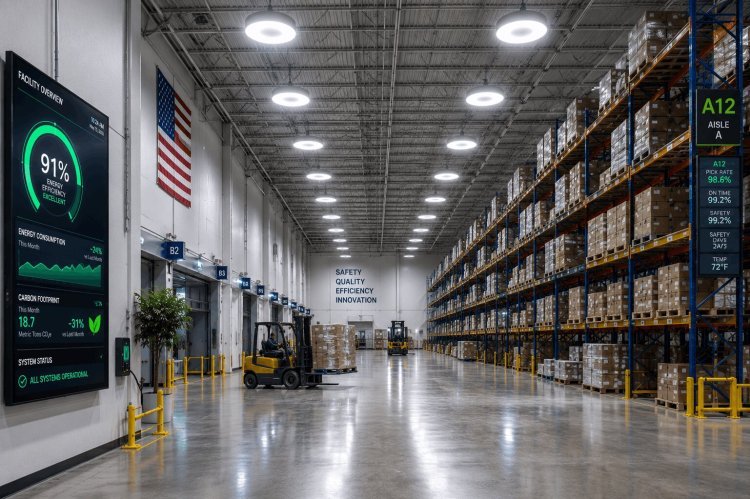
Led Troffer Lights are widely used commercial lighting fixtures in the US in 2026, designed to fit standard ceiling grids in offices, schools, hospitals, and retail spaces
 robertwebb
Introduction
Lighting in commercial spaces across the United States is changing quickly in 2026. Offices, hospitals, schools, retail stores, and government buildings are moving away from traditional fluorescent systems and adopting more efficient solutions. Among these modern upgrades, Led Troffer Lights have become one of the most widely used fixtures. Their combination of energy efficiency, clean design, and long lifespan makes them a preferred choice for large indoor ceiling systems.
Led Troffer Lights are designed to fit into standard grid ceilings, which are common in commercial buildings across the US. They provide uniform illumination, reduce energy consumption, and support modern lighting controls. As energy regulations become stricter and electricity costs continue to rise, their adoption is expected to grow even further throughout 2026.
What Led Troffer Lights are
Led Troffer Lights are flat rectangular or square light fixtures that fit into modular ceiling grids. They are designed to replace older fluorescent troffers that were once standard in commercial environments.
Unlike fluorescent lighting, which relies on gas and long tubes, LED technology uses semiconductor diodes to produce light. This makes Led Troffer Lights more stable, efficient, and long lasting. They come in different sizes such as 1x2, 2x2, and 2x4, allowing flexibility for different ceiling layouts.
In 2026, many US manufacturers are focusing on slimmer designs and improved light diffusion. The goal is to create lighting that feels natural to the eyes while maintaining high brightness levels suitable for work environments.
Growing demand in the US market
The demand for Led Troffer Lights in the United States continues to rise in 2026 due to several important factors. One of the strongest drivers is energy efficiency. Businesses are under pressure to reduce electricity consumption and meet sustainability goals. LED technology uses significantly less power compared to fluorescent systems, which directly lowers operational costs.
Another reason is government regulation. Many states in the US have already introduced energy codes that encourage or require the use of LED lighting in commercial construction and renovation projects. This shift is pushing contractors and facility managers to replace outdated systems with modern LED troffers.
Additionally, corporate sustainability programs are influencing purchasing decisions. Companies are increasingly focused on reducing carbon emissions and improving building efficiency ratings. Lighting upgrades are one of the fastest and most cost effective ways to achieve these goals.
Benefits of Led Troffer Lights
Led Troffer Lights offer a wide range of advantages that make them suitable for modern commercial environments.
One of the most important benefits is energy savings. LED troffers consume significantly less electricity than traditional fluorescent fixtures. This helps reduce monthly utility bills, especially in large office buildings where lighting is used for long hours.
Another benefit is long lifespan. Led Troffer Lights can last many years without needing replacement, which reduces maintenance costs and downtime. This is particularly useful in hospitals, schools, and corporate offices where consistent lighting is essential.
Light quality is also a major advantage. LED troffers produce bright and uniform illumination that reduces eye strain and improves visibility. Many models offer adjustable color temperatures, allowing users to choose between warm and cool lighting depending on the environment.
They also generate less heat compared to older lighting technologies. This helps maintain indoor temperature stability and reduces the load on air conditioning systems, especially in large buildings.
Installation flexibility is another strong point. Led Troffer Lights are designed to fit standard ceiling grids, making upgrades simple and cost effective without major structural changes.
Applications across industries in 2026
Led Troffer Lights are widely used across many sectors in the United States.
In office buildings, they provide clean and even lighting that supports productivity. Employees benefit from reduced glare and improved visual comfort, which is important for long working hours.
In educational institutions, schools and universities use LED troffers to create well lit classrooms and lecture halls. Proper lighting helps improve focus and learning outcomes for students.
Healthcare facilities also rely heavily on Led Troffer Lights. Hospitals and clinics require bright, reliable lighting for patient care and medical procedures. LED systems ensure consistent performance and better visibility.
Retail environments use these lights to create a welcoming atmosphere for customers. Proper lighting enhances product display and improves the overall shopping experience.
Industrial and warehouse facilities also benefit from LED troffers, especially in office sections and control rooms where steady lighting is important.
Technological improvements in 2026
The year 2026 brings several improvements in Led Troffer Lights technology in the US market. One of the most important developments is smart lighting integration. Many LED troffers now come with sensors that adjust brightness based on occupancy and natural daylight levels. This helps further reduce energy consumption.
Another advancement is improved color rendering. Modern LED systems now offer more accurate color representation, which is important for design studios, healthcare environments, and retail spaces.
Wireless control systems are also becoming more common. Facility managers can now control lighting remotely using mobile apps or centralized building management systems. This adds convenience and improves energy monitoring.
Manufacturers are also focusing on sustainability by using recyclable materials and reducing hazardous components. This aligns with environmental regulations and corporate green initiatives in the United States.
Cost effectiveness and return on investment
Although Led Troffer Lights may have a higher initial cost compared to traditional fluorescent fixtures, they offer strong long term savings. Reduced energy consumption leads to lower electricity bills. Longer lifespan reduces replacement and maintenance expenses.
In most commercial projects in the United States, the return on investment is achieved within a few years. After that period, the savings continue to accumulate, making LED troffers a financially smart choice for building owners and facility managers.
Future outlook for Led Troffer Lights in the US
The future of Led Troffer Lights in the United States looks strong beyond 2026. With continued advancements in smart building technology, these fixtures are expected to become even more intelligent and energy efficient.
Integration with artificial intelligence based lighting systems may allow automatic optimization based on usage patterns. This will further reduce waste and improve comfort in commercial spaces.
As sustainability becomes a central focus in construction and renovation, LED troffer lighting will remain a key component of modern building design.
Conclusion
Led Troffer Lights are playing a major role in transforming commercial lighting across the United States in 2026. Their energy efficiency, long lifespan, modern design, and smart features make them an ideal solution for offices, schools, hospitals, and retail spaces.
With increasing demand for sustainable and cost effective lighting, Led Troffer Lights will continue to dominate the commercial lighting market and shape the future of indoor illumination in the US.