How to Choose the Right Commercial Insurance for Your Company
 Alkeme Insurance
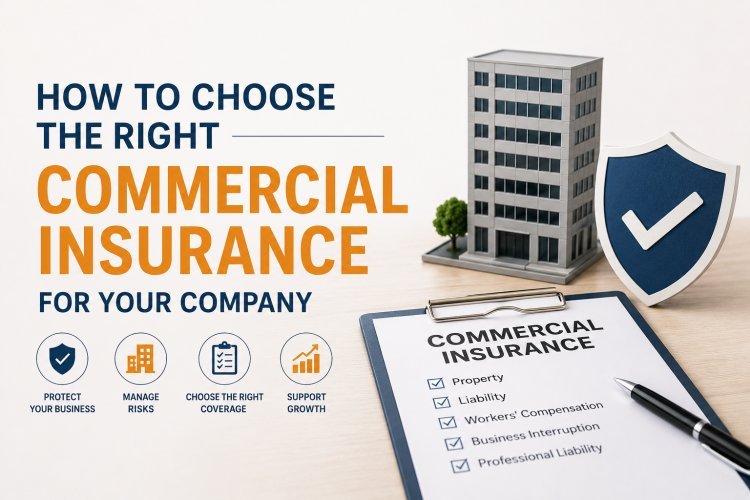
Every business, regardless of its size or industry, faces risks that can affect its operations and financial stability. From property damage and employee injuries to cyberattacks and legal claims, unexpected events can occur at any time. While these risks cannot always be prevented, they can be managed with the right commercial insurance coverage.
Choosing the right commercial insurance is one of the most important decisions a business owner can make. The right policy not only protects your company's assets but also helps reduce financial losses, supports business continuity, and gives you confidence to focus on growth.
With so many insurance options available, selecting the right coverage may seem overwhelming. This guide explains what commercial insurance is, why it matters, and the key factors every business owner should consider before purchasing a policy.
What Is Commercial Insurance?
Commercial insurance is a type of insurance designed to protect businesses from financial losses resulting from unexpected events. Depending on the policy, it can cover property damage, legal liability, employee-related risks, cyber incidents, business interruptions, and other operational challenges.
Unlike personal insurance, commercial insurance is tailored to business activities and industry-specific risks. Every company has different operations, assets, and responsibilities, which means insurance needs can vary significantly from one business to another.
A well-planned commercial insurance strategy helps businesses recover more quickly from unforeseen events while minimizing financial disruption.
Why Choosing the Right Commercial Insurance Matters
Protects Business Assets
Businesses invest significant resources in buildings, office equipment, machinery, inventory, furniture, and technology. Commercial insurance helps safeguard these valuable assets against covered losses caused by fire, theft, natural disasters, or other unexpected events.
Reduces Financial Risks
Unexpected legal claims, property damage, or liability expenses can place considerable pressure on a company's finances. Insurance helps manage these costs, allowing businesses to continue operating with less financial uncertainty.
Supports Business Continuity
Certain insurance policies provide financial assistance when businesses experience temporary closures due to covered events. This support can help cover ongoing expenses and reduce the impact of lost income.
Builds Trust with Clients and Business Partners
Customers, investors, vendors, and partners often prefer working with businesses that demonstrate responsible risk management. Appropriate insurance coverage reflects professionalism and long-term planning.
Helps Meet Legal and Contractual Requirements
Many industries require specific insurance policies to comply with legal regulations or contractual obligations. Having the right coverage helps businesses operate confidently while meeting these requirements.
Key Factors to Consider Before Choosing Commercial Insurance
Understand Your Business Risks
Every business faces different risks depending on its industry, services, customers, and daily operations. Identifying potential threats is the first step toward selecting appropriate insurance coverage.
For example, a construction company may face workplace safety risks, while a technology company may be more concerned about cyber threats and data security.
Evaluate Your Business Size
Insurance requirements often change as businesses grow. A small startup may need basic liability protection, while a larger organization with multiple offices, employees, and vehicles may require more comprehensive coverage.
Selecting insurance that can adapt as your business expands is an important long-term consideration.
Identify Your Valuable Assets
Take inventory of everything your business depends on, including buildings, machinery, computers, inventory, vehicles, and digital systems. Understanding the value of these assets helps determine the level of protection needed.
Consider Your Industry Requirements
Different industries face unique operational risks and insurance requirements. Businesses in construction, healthcare, manufacturing, transportation, retail, and professional services often require specialized insurance solutions that address industry-specific exposures.
Review Your Budget
While cost is an important consideration, choosing insurance based only on the lowest premium can leave your business underinsured. Focus on finding coverage that provides appropriate protection while fitting your budget and long-term business goals.
Types of Commercial Insurance Your Company May Need
General Liability Insurance
General liability insurance protects businesses against third-party claims involving bodily injury, property damage, and legal expenses. It is one of the most common forms of business protection.
Commercial Property Insurance
This policy covers buildings, office spaces, equipment, inventory, furniture, and other business property against covered losses such as fire, theft, vandalism, and certain natural disasters.
Workers' Compensation Insurance
Workers' compensation insurance helps cover medical expenses, rehabilitation costs, and lost wages for employees injured while performing job-related duties. It also helps businesses comply with legal requirements in many jurisdictions.
Commercial Auto Insurance
Businesses that own or operate company vehicles should consider commercial auto insurance. This coverage protects against vehicle damage, accidents, liability claims, and certain transportation-related risks.
Cyber Liability Insurance
As businesses increasingly depend on digital technology, cyber liability insurance has become an important safeguard against data breaches, ransomware attacks, and other cyber incidents that can disrupt operations.
Professional Liability Insurance
Also known as Errors and Omissions (E&O) insurance, this coverage protects businesses against claims related to professional mistakes, negligence, or failure to deliver promised services.
Business Interruption Insurance
Business interruption insurance provides financial support when covered events temporarily prevent a company from operating. It helps businesses manage ongoing expenses and recover more efficiently after disruptions.
Questions to Ask Before Purchasing Commercial Insurance
Before selecting a policy, business owners should ask several important questions:
- What risks are most common in my industry?
- What incidents are covered under this policy?
- Are there any exclusions I should understand?
- Are the coverage limits sufficient for my business?
- How does the claims process work?
- Can the policy be adjusted as my business grows?
- How often should I review my insurance coverage?
Answering these questions helps ensure your insurance aligns with your business's current and future needs.
Common Mistakes Businesses Make
Many businesses unintentionally leave themselves exposed by making avoidable insurance mistakes.
Some common examples include:
- Choosing insurance based only on cost.
- Purchasing insufficient coverage.
- Ignoring cyber security risks.
- Failing to review policies as operations change.
- Overlooking policy exclusions.
- Trying to manage insurance decisions without professional guidance.
Avoiding these mistakes can improve financial protection and reduce unnecessary risks.
Why Working with an Insurance Advisor Makes a Difference
Commercial insurance policies can be complex, especially when businesses have multiple locations, employees, or specialized operations. Working with experienced insurance professionals simplifies the process and helps ensure businesses receive appropriate protection.
Insurance advisors evaluate business risks, explain policy options, identify coverage gaps, and recommend customized solutions that align with operational needs and future growth plans. Companies like ALKEME work closely with businesses to create insurance strategies that address industry-specific challenges while providing ongoing support as insurance needs evolve.
Before selecting a policy, it's also important to consider how business insurance fits into your overall risk management strategy. Rather than viewing insurance as a single purchase, businesses benefit from developing a comprehensive protection plan that combines different types of coverage based on their operations, assets, workforce, and long-term objectives. This proactive approach helps reduce uncertainty and supports sustainable business growth.
Conclusion
Choosing the right commercial insurance is about more than protecting against unexpected events—it's about building a stronger, more resilient business. The right coverage safeguards your assets, reduces financial risk, supports business continuity, and helps you meet legal and contractual obligations with confidence.
By understanding your business risks, evaluating available coverage options, reviewing your policies regularly, and working with experienced insurance professionals, you can make informed decisions that protect your company today while supporting its future success. Investing time in choosing the right commercial insurance is an investment in the long-term stability and growth of your business.