
How Law Enforcement Uses Forensic Video Analysis Software to Solve Crimes
 CrystalWebster
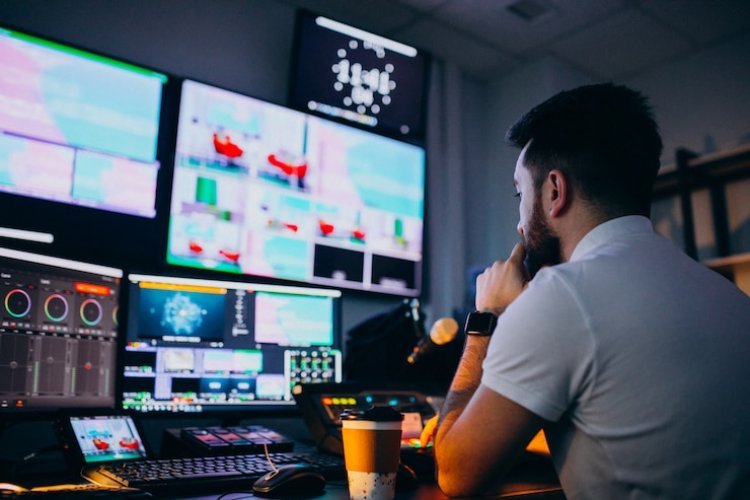
In an age where cameras capture nearly every public moment, video footage has become an indispensable tool in modern policing. But raw video alone isn’t always enough. That’s where Forensic Video Analysis Software comes into play, turning blurry or unclear footage into powerful, court-admissible evidence. This article explores how law enforcement agencies worldwide use this cutting-edge technology to solve real-world crimes.
Video as a Primary Witness
Surveillance cameras, mobile phones, and dashboard cams capture countless hours of footage daily. However, not all video is created equal. Often, footage is grainy, poorly lit, or captured at odd angles. This is where video forensic analysis steps in to enhance video clarity, stabilize motion, and zoom into fine details without compromising image quality.
Law enforcement professionals rely on this enhanced footage to identify suspects, confirm alibis, and verify timelines. When every second of a video might hold a vital clue, Forensic Video Analysis Software becomes a detective’s best digital partner.
Turning Pixelated Footage into Clear Evidence
Imagine a hit-and-run captured on a gas station camera. The car's license plate is partially visible, but not legible. With Forensic Video Analysis Software, investigators can apply pixel interpolation, contrast correction, and edge detection techniques to extract the plate number. This simple enhancement can be the turning point in a case.
The software also allows comparison of multiple video sources to track a suspect’s movements across different locations. Law enforcement can synchronize these timelines, effectively reconstructing a suspect's route using available camera footage.
Real-World Success Stories
Around the world, video forensic analysis has led to major breakthroughs. In many kidnapping and robbery cases, footage from traffic and store cameras helped authorities trace vehicles, identify faces, and even recover stolen items. In homicide investigations, video analysis has helped eliminate false suspects and focus resources on the right leads.
One notable example involves a high-profile theft in which suspects disguised their faces. Although traditional methods failed to identify them, Forensic Video Analysis Software highlighted unique physical traits—like body posture and walking patterns—which led to a successful prosecution.
Enhancing Audio Along with Video
Some Forensic Video Analysis Software includes tools for enhancing and analyzing audio as well. Background conversations or barely audible sounds can be clarified and analyzed, adding another layer to the investigation. A muffled sentence in the background could reveal names, threats, or even help place someone at a crime scene.
By synchronizing video and enhanced audio, investigators create a multi-sensory reconstruction of events that often leaves little doubt in the minds of jurors.
Maintaining Chain of Custody and Authenticity
In law enforcement, it’s critical to maintain the chain of custody for all evidence. Video forensic analysis tools include built-in logs and report generation features that track every action taken on a piece of footage. These detailed logs ensure transparency and defend against claims of evidence tampering.
Authenticity checks are equally important. These tools verify whether a video has been edited or manipulated. Metadata such as timestamps, device ID, and format signatures are analyzed to confirm that the footage is legitimate and court-admissible.
Training and Certification for Officers
As powerful as Forensic Video Analysis Software is, it’s only as effective as the person using it. Many police departments now include specialized training programs to certify officers in forensic video handling. These programs cover video enhancement techniques, legal standards, and ethical considerations.
Some departments even have dedicated video forensic units staffed with full-time analysts who assist detectives with casework. Their expertise ensures the software is used correctly and that all findings are legally sound.
The Ethical Considerations of Video Analysis
While technology offers incredible advantages, it's important to address its responsible use. Law enforcement must balance investigative needs with privacy rights. Misuse of video forensic analysis could potentially lead to profiling or over-surveillance.
Thus, departments often implement policies that outline acceptable use cases, data retention limits, and access controls. Proper oversight ensures that the technology helps justice rather than infringe on civil liberties.
Integration with Other Investigative Tools
Modern investigations don’t rely on one type of evidence. Instead, Forensic Video Analysis Software is often part of a larger toolkit. It integrates with facial recognition systems, license plate readers, and crime mapping databases. This ecosystem allows officers to cross-reference multiple data points, building stronger cases.
When combined with cellphone data, witness statements, and physical evidence, video becomes a central pillar in solving even the most complex crimes.
Conclusion
Law enforcement has entered a new era, where Forensic Video Analysis Software provides a high-tech edge in crime solving. From enhancing critical footage to authenticating evidence for court, the software empowers officers to work smarter and faster. It helps extract the truth hidden in pixels and turns vague footage into compelling narratives that support justice.
As the use of Video Forensic Analysis continues to grow, police agencies will depend on this technology not just for catching criminals, but for protecting the innocent and upholding fairness in every investigation. With continued innovation and responsible use, the future of forensic video analysis in law enforcement looks promising and powerful.
FAQs
Q1: Can police use video from private security cameras?
A1: Yes, with permission or a warrant, police can obtain footage from private cameras and analyze it using Forensic Video Analysis Software.
Q2: Is video analysis admissible in court?
A2: Yes, provided the video is authenticated and the analysis is documented properly. Most courts accept findings from certified forensic video analysts.
Q3: What if the video is very low quality?
A3: Advanced software tools can enhance even low-quality footage to reveal critical details, such as faces, license plates, or actions.
Q4: Do all police departments use this software?
A4: Usage varies by region, but more departments are adopting forensic video tools as the value becomes more evident in solving cases.
Q5: How long does it take to analyze a video?
A5: The timeline depends on the complexity of the footage and the type of analysis needed. Simple enhancements may take hours, while in-depth investigations can take days.