Why Scalp Health Matters More Than You Think for Long-Term Hair Growth
 tressroots
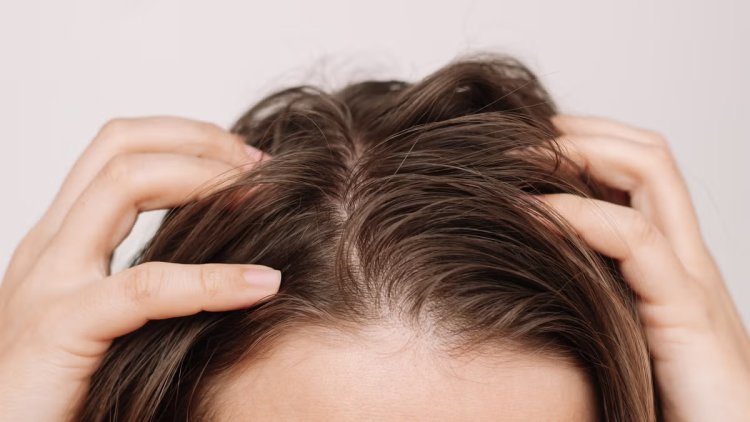
Hair loss conversations usually begin with strands on a pillow, hair in the shower drain, or a widening part line in the mirror. But very few people stop to ask the deeper question: what is happening underneath the hair itself? The truth is that healthy hair begins long before a strand becomes visible. It starts at the scalp.
Over the last few years, scalp care has evolved from a niche beauty trend into a major conversation in the hair wellness industry. Dermatologists, trichologists, and hair specialists increasingly agree that scalp condition plays a major role in hair quality, growth cycles, and even premature thinning. While people spend heavily on shampoos, oils, masks, and styling products, many still ignore the actual foundation of hair growth.
Your scalp is living skin. Just like facial skin, it can become inflamed, oily, dry, clogged, irritated, or imbalanced. When that happens consistently over time, hair follicles may struggle to perform at their best. This is one of the biggest reasons modern hair care brands are now focusing on scalp-first routines instead of simply cosmetic solutions.
Understanding scalp health is essential for anyone experiencing shedding, dullness, breakage, or slow hair growth. More importantly, improving scalp health is often one of the most practical and sustainable ways to support stronger hair naturally.
The Scalp Is an Ecosystem, Not Just Skin
Most people think of the scalp as a simple surface that grows hair. In reality, it is a highly active biological environment filled with sebaceous glands, blood vessels, follicles, microbiota, and connective tissue. Every hair strand depends on this environment to function properly.
Hair follicles need oxygen, nutrients, balanced oil production, and healthy circulation to remain active. If the scalp becomes chronically inflamed or clogged, follicles can weaken over time. In some cases, dormant follicles may stop producing strong hair altogether.
Environmental stress also affects the scalp more than many realize. Pollution, sweat buildup, harsh water, excessive heat styling, chemical treatments, and aggressive shampoos can disrupt the scalp barrier. Once that barrier becomes compromised, irritation and imbalance often follow.
This is where brands focused on modern scalp science, including growing names like tress roots, are changing the conversation around hair care. Instead of only focusing on the visible hair shaft, they emphasize maintaining the scalp environment that supports long-term growth.
Common Signs of an Unhealthy Scalp
Many scalp problems are ignored because people assume they are normal. Occasional itching, flakes, or oiliness may seem harmless at first. However, persistent symptoms often indicate imbalance beneath the surface.
Some of the most common signs include:
- Constant itchiness
- Excessive oil production
- Tightness or dryness
- Burning sensation
- Redness or irritation
- Dandruff and flaking
- Increased hair shedding
- Pain around hair roots
- Slow hair growth
These symptoms may result from stress, poor hygiene habits, over-washing, product buildup, or sensitivity to certain ingredients. Sometimes even “healthy” routines can damage the scalp if products are too harsh or cleansing becomes excessive.
For example, many sulfate-heavy shampoos strip away natural oils aggressively. While the scalp initially feels clean, over time it may respond by producing even more oil, creating a frustrating cycle.
Similarly, applying thick oils without properly cleansing afterward can clog follicles and trap debris. The goal is balance, not extremes.
Why Hair Growth Depends on Circulation
One of the most overlooked aspects of scalp health is blood circulation. Hair follicles require a steady supply of oxygen and nutrients delivered through tiny blood vessels beneath the skin.
Poor circulation may reduce follicle efficiency over time. This is one reason scalp massages have gained popularity recently. Gentle massage can temporarily increase blood flow and may help improve nutrient delivery to follicles.
Studies have also suggested that regular scalp stimulation may contribute to thicker-looking hair over time when combined with proper scalp care routines.
Simple habits can support circulation naturally:
- Regular scalp massage
- Avoiding overly tight hairstyles
- Managing chronic stress
- Exercising consistently
- Maintaining proper hydration
- Getting enough sleep
Stress management is especially important because chronic stress can affect hormonal balance and trigger shedding phases like telogen effluvium.
Modern wellness-focused brands such as tressroots are increasingly combining scalp care with broader wellness education because hair health rarely exists in isolation from overall lifestyle habits.
The Connection Between Dandruff and Hair Fall
Dandruff itself does not directly cause permanent hair loss in most cases, but the inflammation associated with it can contribute to increased shedding.
An irritated scalp creates an unhealthy environment for follicles. Constant scratching may also physically damage hair roots and weaken strands over time.
Many dandruff shampoos focus solely on removing flakes while ignoring scalp barrier repair. This often creates temporary relief without addressing long-term scalp balance.
A healthier approach usually includes:
- Gentle cleansing
- Reducing inflammation
- Supporting moisture balance
- Avoiding harsh irritants
- Maintaining consistent hygiene
It is also important to distinguish between dry scalp and dandruff because they are not the same condition. Dry scalp is often caused by lack of moisture, while dandruff is commonly linked to excess oil and yeast overgrowth.
Treating the wrong issue can worsen symptoms significantly.
How Diet Influences Scalp Condition
Hair care products matter, but nutrition also plays a major role in scalp function. The scalp is highly metabolically active, meaning it requires steady nutritional support.
Deficiencies in iron, protein, zinc, vitamin D, biotin, and omega-3 fatty acids may contribute to poor hair quality and increased shedding in some individuals.
Highly processed diets rich in sugar and inflammatory foods may also worsen scalp irritation in certain cases.
Some scalp-friendly foods include:
- Eggs
- Nuts and seeds
- Fatty fish
- Leafy greens
- Lentils
- Yogurt
- Berries
- Avocados
Hydration matters too. Dehydrated skin can contribute to dryness and irritation across the body, including the scalp.
While supplements are heavily marketed in the hair industry, they should not replace a balanced diet. In many cases, improving nutrition gradually supports better scalp and hair condition over time.
The Problem With Overstyling
Modern styling habits can silently damage scalp health. Tight ponytails, extensions, excessive heat, bleaching, and chemical straightening place continuous stress on both follicles and scalp tissue.
Traction alopecia, for example, is hair loss caused by chronic tension on the hair roots. It often begins gradually around the hairline and temples.
Unfortunately, many people do not recognize the damage until thinning becomes visible.
Scalp irritation from bleach and chemical treatments can also compromise follicle function when repeated too often.
This does not mean styling should be avoided completely. The key is moderation and recovery. Allowing the scalp time to recover between treatments can help reduce long-term stress on follicles.
Protective habits include:
- Lower heat settings
- Loose hairstyles
- Heat protectant products
- Reduced bleaching frequency
- Gentle detangling
- Silk pillowcases
Consumers are becoming more aware of scalp-focused routines because healthier hair ultimately starts beneath the strands themselves. That shift is partly why conversations around scalp wellness brands like tress roots continue growing online.
Can Scalp Care Improve Hair Thickness?
Scalp care is not a miracle cure for every form of hair loss. Genetics, hormones, aging, and medical conditions still play major roles. However, maintaining a healthier scalp environment may help maximize the potential of existing follicles.
When follicles are less inflamed, less clogged, and better nourished, hair often appears healthier, shinier, and fuller.
People frequently notice improvements such as:
- Reduced shedding
- Better texture
- Increased softness
- Less breakage
- Improved manageability
- Stronger-looking roots
Consistency matters more than quick fixes. Many viral hair trends promise instant growth, but sustainable hair health usually develops gradually through routine care.
Ingredients That Support Scalp Health
Consumers today are paying closer attention to ingredient labels than ever before. Certain ingredients are commonly associated with scalp support because of their soothing or balancing properties.
Popular scalp-friendly ingredients include:
- Tea tree oil
- Niacinamide
- Salicylic acid
- Peppermint oil
- Aloe vera
- Rosemary oil
- Caffeine
- Hyaluronic acid
That said, even natural ingredients can irritate sensitive scalps if overused. Patch testing and moderation remain important.
It is also worth noting that stronger is not always better. Some highly medicated products may create dryness or irritation when used unnecessarily.
A balanced routine generally works better than aggressively attacking the scalp with multiple harsh treatments.
The Rise of Scalp-Focused Hair Care
The global hair wellness market is shifting rapidly toward scalp-focused solutions. Consumers are no longer satisfied with products that only create temporary cosmetic shine.
Instead, people want healthier foundations, long-term results, and science-backed routines.
This trend has led to growing interest in:
- Scalp serums
- Pre-wash treatments
- Exfoliating scalp scrubs
- Microbiome-friendly shampoos
- Follicle-supporting massage tools
Brands like tressroots are part of a broader movement emphasizing root-level care instead of surface-level fixes.
Social media has also accelerated awareness. Educational content about scalp inflammation, buildup, and follicle care has made consumers far more informed than previous generations.
As a result, scalp health is no longer viewed as optional. It is increasingly seen as the starting point for serious hair care.
Building a Sustainable Scalp Routine
The best scalp routine is usually simple, consistent, and tailored to individual needs.
A practical scalp-care routine may include:
- Gentle cleansing two to four times weekly
- Regular scalp massage
- Avoiding excessive product buildup
- Managing stress levels
- Eating a balanced diet
- Limiting excessive heat and chemical exposure
- Using lightweight scalp-supporting products
It is also important to pay attention to seasonal changes. Dry winters and humid summers can affect scalp behavior differently.
Most importantly, avoid panic-driven product switching. Constantly changing shampoos and treatments may irritate the scalp further.
Patience matters. Hair growth cycles operate over months, not days.
When to See a Professional
Not all hair or scalp issues can be solved through cosmetic care alone. Persistent symptoms should be evaluated by a dermatologist or trichologist.
Seek professional advice if you experience:
- Sudden severe shedding
- Bald patches
- Painful inflammation
- Bleeding or sores
- Persistent dandruff
- Scalp burning
- Rapid thinning
Underlying conditions such as psoriasis, fungal infections, hormonal imbalances, or autoimmune disorders may require medical treatment.
Early intervention often leads to better outcomes.
Final Thoughts
Healthy hair is not built through one miracle product or overnight trend. It develops through consistent care, balanced habits, and attention to the scalp environment that supports every strand.
For years, hair care conversations focused mainly on appearance. Today, the industry is finally recognizing what specialists have long understood: the scalp is the true foundation of long-term hair wellness.
Whether someone is struggling with shedding, dullness, irritation, or simply wants stronger-looking hair, scalp care deserves attention. Small daily habits often create the biggest long-term difference.
As awareness around scalp wellness continues growing, consumers are becoming smarter about choosing routines and products that prioritize long-term health instead of temporary cosmetic fixes. That evolution explains why names like tress roots and tressroots are increasingly becoming part of broader conversations around modern hair wellness and scalp-focused care.
Ultimately, healthier hair begins where growth starts at the roots.