
What Are the Challenges of Lifeguard Training?
 americanlifeguardusa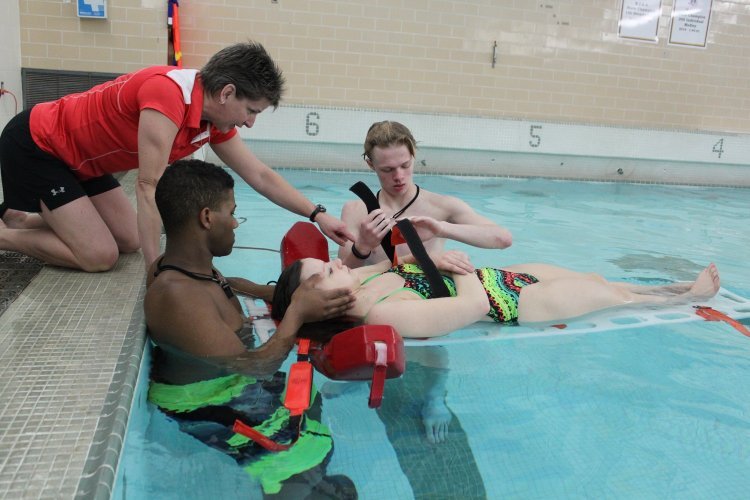
Lifeguard training is a critical step for anyone looking to ensure safety and prevent accidents at pools, beaches, and other aquatic environments. Offered by reputable organizations like American Lifeguard USA, these courses provide essential skills needed to respond effectively in emergency situations. However, the path to becoming a certified lifeguard is not without its challenges. Understanding these obstacles can help prospective lifeguards better prepare for their training and ultimately become more effective in their roles.
1. Physical Demands
One of the most significant challenges of lifeguard training is meeting the physical demands. Lifeguards must be in excellent physical condition to perform their duties effectively. Training programs, such as those provided by American Lifeguard USA, include rigorous physical exercises to build strength, endurance, and swimming proficiency.
Swimming Skills: Lifeguards are required to swim long distances quickly and perform various strokes with precision. This often means practicing for extended periods and under varying conditions, which can be physically exhausting.
Rescue Techniques: Training includes simulations of real-life rescue scenarios, which demand physical strength and agility. Lifeguards must practice towing and carrying victims, sometimes against strong currents or through difficult conditions.
Endurance and Fitness: Lifeguard candidates need to maintain a high level of cardiovascular fitness and muscular endurance to handle the demands of the job effectively. This involves regular workouts and maintaining a healthy lifestyle.
2. Mental and Emotional Preparedness
Lifeguard training is not only physically demanding but also mentally and emotionally challenging. Lifeguards must be prepared to handle high-stress situations calmly and efficiently.
Stress Management: Lifeguards often face emergency situations that can be overwhelming. Training programs focus on teaching candidates how to manage stress and remain composed, which is crucial for making quick, rational decisions during crises.
Emotional Resilience: Witnessing accidents or injuries can be emotionally taxing. Lifeguards must develop resilience and coping strategies to handle the emotional aspects of the job, including dealing with the aftermath of rescues and providing support to distressed individuals.
Decision-Making Under Pressure: Lifeguards must make split-second decisions that can impact lives. Training emphasizes developing strong decision-making skills and the ability to assess situations quickly and accurately.
3. Technical Skills and Knowledge
Effective lifeguarding requires a comprehensive understanding of various technical skills and knowledge areas. Training programs cover a broad spectrum of topics, and mastering these can be challenging.
First Aid and CPR: Lifeguards need to be proficient in first aid and CPR techniques. Training includes learning to administer chest compressions, use an AED (Automated External Defibrillator), and provide other emergency medical care. Keeping up-to-date with these skills and certifications is crucial.
Rescue Techniques: Lifeguards are trained in various rescue techniques, including using rescue equipment and performing different types of rescues. Each technique requires practice and precision, and candidates must demonstrate their proficiency in simulated rescue scenarios.
Water Safety Knowledge: Understanding water safety principles, including recognizing and responding to different types of water hazards, is vital. Lifeguards must be knowledgeable about how to prevent accidents and respond to various aquatic emergencies.
4. Certification and Recertification
Becoming a certified lifeguard is just the beginning. Lifeguards must also complete ongoing recertification to maintain their credentials. This can be a challenge for several reasons.
Keeping Skills Current: Lifeguards need to stay current with their skills and knowledge. This requires regular practice and attendance at recertification courses. Organizations like American Lifeguard USA offer periodic recertification programs, but keeping up with these requirements can be demanding.
Meeting Recertification Standards: Recertification often involves retaking tests and demonstrating skills. Candidates must ensure they meet the standards set by certification bodies, which may involve additional training or practice if standards change or if they have been out of practice.
Scheduling and Costs: Balancing recertification with other commitments, such as work or school, can be challenging. Additionally, there may be costs associated with recertification courses, which can be a barrier for some individuals.
5. Balancing Lifeguard Duties with Other Responsibilities
Lifeguards often have to balance their training and duties with other personal or professional responsibilities. This can be particularly challenging for those who are juggling school, work, or family commitments.
Time Management: Lifeguard training requires a significant time investment. Prospective lifeguards must find time to attend classes, complete assignments, and practice their skills while managing their other responsibilities.
Work-Life Balance: Once certified, lifeguards need to balance their job responsibilities with their personal life. Working long hours or irregular shifts can impact personal time and require effective time management skills.
Job Pressure: The pressure of ensuring safety and performing effectively can be intense. Lifeguards must learn to manage this pressure while balancing their other life demands.
6. Adapting to Different Environments
Lifeguard training prepares candidates to work in various environments, each with its unique challenges. Adapting to these different settings can be demanding.
Different Water Conditions: Lifeguards may work in pools, lakes, beaches, or rivers, each presenting distinct challenges. Training includes preparing for these different conditions, but adapting to them in real-life situations can still be challenging.
Weather and Environmental Factors: Lifeguards must be prepared to work in varying weather conditions, from intense sun and heat to cold and rain. Adapting to these conditions while performing their duties can be difficult.
Varied Populations: Lifeguards may encounter a diverse range of people, including individuals with different swimming abilities, ages, and needs. Training includes strategies for managing these diverse populations, but real-life interactions can still be challenging.
Conclusion
Lifeguard training is a rigorous process that prepares individuals to handle the demanding and sometimes stressful nature of the job. From the physical and mental challenges to the need for ongoing certification and adaptation to different environments, prospective lifeguards face a range of obstacles. By understanding these challenges, candidates can better prepare themselves for the training process and develop the skills and resilience needed to excel in their role.
American Lifeguard USA provides comprehensive training programs designed to address these challenges, equipping lifeguards with the necessary skills and knowledge to perform effectively and ensure safety. While the road to becoming a certified lifeguard is challenging, the rewards of helping others and ensuring water safety make it a worthwhile pursuit.