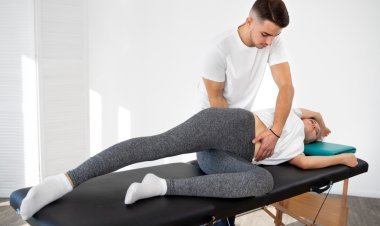
Understanding the Dangers of Yin Yoga: Is This Practice Right for You?
While Yin Yoga offers incredible benefits for flexibility, relaxation, and mindfulness, it’s essential to be aware of the potential dangers of Yin Yoga. Overstretching, joint strain, nerve compression, and improper alignment can lead to serious injuries if not approached with care. By listening to your body, using props, and incorporating other forms of exercise to build strength, you can enjoy the calming and restorative benefits of Yin Yoga safely. If you’re new to Yin Yoga or have any concerns, always consider consulting a healthcare professional or an experienced instructor to ensure your practice remains safe, supportive, and beneficial for your body
 omshantiomyoga
Yoga is often associated with balance, relaxation, and improved flexibility, but not all forms of yoga are without risks. While most practitioners are familiar with the more dynamic practices like Vinyasa or Hatha yoga, there's one style that has gained popularity in recent years for its emphasis on deep stretching and holding poses for extended periods: Yin Yoga. Although Yin Yoga offers numerous benefits, such as increased flexibility, improved joint health, and relaxation, it is essential to understand the potential dangers of Yin Yoga before incorporating it into your practice. While this gentle form of yoga can be incredibly restorative, it’s not without its risks, particularly if practiced incorrectly or without proper awareness.
What is Yin Yoga?
Yin Yoga is a slower-paced style of yoga that involves holding passive poses for 3 to 5 minutes, allowing deep connective tissues such as ligaments, tendons, and fascia to stretch and strengthen. This practice contrasts with more dynamic forms of yoga, where movements are quick and poses are held for shorter periods. Yin Yoga encourages practitioners to find a state of relaxation while in each pose, allowing for deep stretching that promotes flexibility and overall well-being.
However, despite its slower pace and focus on relaxation, the dangers of Yin Yoga often arise from pushing the body too far or overextending during long-held postures. Below, we explore some of the risks associated with this practice.
1. Overstretching and Joint Strain
One of the main dangers of Yin Yoga is overstretching. The long-held poses may trick the body into thinking it can go deeper into a stretch, which can lead to pushing beyond its natural limits. Since Yin Yoga involves deep stretching of the connective tissues, improper technique or excessive force can result in joint strain, particularly in areas like the knees, hips, and lower back.
Connective tissues like ligaments have limited elasticity compared to muscles, and overstretching them can lead to long-term damage, such as joint instability, sprains, or tears. Without adequate awareness, a practitioner might stretch too deeply, thinking it’s a sign of progress, when in fact they may be causing injury.
2. Nerve Compression
Another risk of Yin Yoga is nerve compression, which occurs when a stretch or position places excessive pressure on the nerves. Yin poses often require the body to remain still for extended periods, and if the position is not properly aligned, nerves can become compressed, leading to pain, numbness, or tingling sensations in areas like the legs or arms.
Nerve compression can be dangerous, especially if the sensation is ignored. It’s crucial to listen to your body and adjust your alignment during practice. If a pose feels uncomfortable or produces unusual sensations, it’s essential to back off slightly to avoid further harm.
3. Lack of Strengthening
While Yin Yoga is excellent for increasing flexibility, it is not as effective at building muscular strength compared to more dynamic forms of yoga. Practicing Yin Yoga exclusively without complementing it with strength-based activities can lead to imbalances in the body. Weak muscles can make the joints more vulnerable to strain, as muscles play a vital role in stabilizing joints during movement.
To avoid injury, it’s essential to balance your Yin practice with other types of exercise that promote strength, such as Vinyasa or Hatha yoga, Pilates, or strength training. This combination can help prevent the overextension of joints and provide the necessary support to your connective tissues.
4. Injury from Holding Poses Too Long
Yin Yoga encourages practitioners to hold poses for extended periods, often 3 to 5 minutes. While this can be therapeutic for deep stretches, holding a pose too long without proper attention to alignment can result in muscle fatigue or injury. The deeper the stretch, the more the body can become fatigued, and improper form during these longer holds increases the risk of overuse injuries.
It’s important to ensure that you are not only relaxed but also properly aligned in each posture. Relying on props such as blocks or blankets can help maintain the integrity of your alignment, particularly in poses that require deep forward folds or hip openers.
5. Emotional Release and Overwhelm
Yin Yoga has the potential to stir up deep emotional release due to its slow and introspective nature. As practitioners hold poses for longer periods, they may tap into suppressed emotions, leading to tears or overwhelming feelings. While emotional release is often seen as a positive part of the practice, it can also be emotionally overwhelming, especially for beginners or those who are not prepared to confront intense emotions.
If you're new to Yin Yoga, it’s important to approach the practice with an open mind and a willingness to process any emotions that may arise. If you feel overwhelmed, it’s okay to take breaks or speak with a teacher to ensure you are approaching the practice in a way that is nurturing rather than overwhelming.
6. Not Suitable for Everyone
While Yin Yoga is generally safe for most people, certain individuals may find it unsuitable. Those with existing joint problems, severe flexibility limitations, or other medical conditions should consult a healthcare provider before engaging in a regular Yin Yoga practice. For example, people with osteoporosis or joint instability may be more prone to injury due to the deep stretches that Yin Yoga demands.
Additionally, pregnant women or individuals with specific health concerns should seek guidance from an experienced instructor who can provide modifications or advise against specific poses.
How to Practice Yin Yoga Safely
Despite the potential dangers, Yin Yoga can be incredibly beneficial when practiced correctly. Here are some tips to ensure a safer and more effective practice:
-
Listen to Your Body: Never push yourself too far. Stop if you feel pain or discomfort that goes beyond the natural stretch.
-
Use Props: Props like cushions, blocks, and blankets can help support your body, allowing you to achieve a deeper stretch without overextending yourself.
-
Focus on Alignment: Pay attention to your alignment in each pose to avoid unnecessary strain. It's not about how deep you can go into a stretch but how you can stay in the posture with proper alignment and mindful awareness.
-
Balance with Other Practices: Incorporate strength-based yoga or exercise into your routine to help balance the flexibility gained in Yin Yoga.
-
Consult a Professional: If you have pre-existing conditions or are new to Yin Yoga, seek guidance from a certified Yin Yoga instructor who can help you modify poses safely.