
Emotional Intelligence in Leadership How to Handle a Supervisor’s Aggression with Calm and Professionalism
Learn how emotional intelligence helps handle aggressive supervisors, resolve conflicts calmly, and maintain a respectful, OSHA-compliant workplace.
 saad32
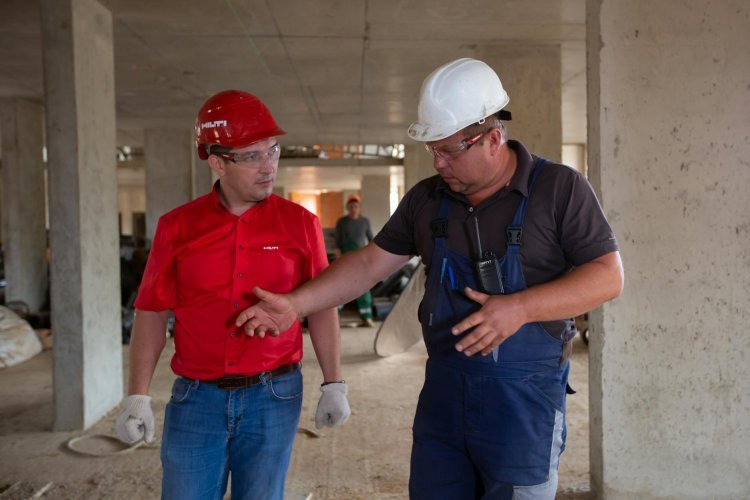
Handling aggressive behavior from supervisors and managers is an inevitable challenge in the workplace. When supervisors become aggressive, it can lead to a hostile environment and decrease employee morale, productivity, and overall team cohesion. As such, understanding how to manage aggressive behavior from supervisors and managers is essential to maintaining a positive and professional work atmosphere. A significant tool in handling these situations is emotional intelligence (EI), which allows individuals to respond to aggression with calmness, clarity, and professionalism.
The ability to manage emotional responses is crucial when faced with supervisors' aggression. Emotional intelligence allows you to stay composed, identify the root causes of the aggression, and find effective ways to respond without escalating the situation. It also helps you protect your emotional well-being and maintain a productive working relationship with your supervisor. Moreover, emotional intelligence can play a critical role in adhering to regulatory frameworks like OSHA Fee (Occupational Safety and Health Administration), ensuring that conflicts are addressed in a way that promotes a safe and respectful work environment for all employees.
Why Emotional Intelligence Matters in Leadership
1. Emotional Control: Staying Calm Under Pressure
When handling aggressive behavior from supervisors and managers, the first skill you need is emotional control. Emotional intelligence gives you the ability to regulate your emotions, allowing you to avoid reacting impulsively. Instead of responding aggressively or defensively, you can take a step back, stay calm, and prevent the situation from escalating further. This self-regulation is especially important in high-pressure situations where emotional responses can cloud judgment and negatively affect the outcome.
For example, if a supervisor expresses frustration over a missed deadline or a mistake you made, your immediate reaction might be defensiveness or frustration. However, with emotional intelligence, you can pause, breathe deeply, and approach the situation with composure. This calmness not only helps to de-escalate the situation but also shows your supervisor that you are capable of handling stress and conflict in a professional manner.
2. Empathy: Understanding the Supervisor’s Perspective
Another key component of emotional intelligence is empathy, or the ability to understand the emotions of others. When dealing with aggressive behavior from a supervisor, emotional intelligence allows you to consider the factors contributing to their aggression. Perhaps the supervisor is stressed due to unrealistic expectations, lack of resources, or external pressures. By practicing empathy, you can approach the situation with understanding rather than confrontation.
Empathy allows you to listen actively and express concern for the supervisor’s stress, which can help diffuse the intensity of the situation. Understanding the underlying reasons for their aggression gives you the opportunity to work together toward a solution. Furthermore, emotional intelligence helps you communicate more effectively, ensuring that you can address concerns without creating additional conflict.
Practical Steps for Handling Aggression with Emotional Intelligence
1. Maintain a Calm and Professional Demeanor
When faced with aggressive behavior from a supervisor, it is vital to remain calm and professional. Emotional intelligence helps you manage your emotional responses, ensuring that you do not become defensive, confrontational, or angry. Instead, focus on keeping a composed, neutral tone and body language. This will signal to the supervisor that you are not intimidated or upset, and you are willing to engage in a productive conversation.
For example, if a supervisor raises their voice due to a mistake or missed target, maintaining a calm demeanor can have a significant impact. Responding with a steady voice and body language shows that you are not letting the aggression affect your ability to think clearly or communicate effectively. Staying calm helps the situation remain under control and prevents it from escalating.
2. Listen Actively and Reflect the Emotions
Active listening is another critical element of emotional intelligence that can be especially useful when handling aggressive behavior. Instead of immediately defending yourself or interrupting, practice active listening by paying attention to your supervisor’s words and body language. This shows that you respect their point of view, and it also helps you better understand their concerns.
Reflecting the emotions of the supervisor can also help. If the supervisor expresses frustration, acknowledge their feelings by saying something like, “I understand that this situation is frustrating, and I want to make sure we resolve it.” This demonstrates empathy and shows that you recognize the emotional impact of the issue. By mirroring their emotions, you create a rapport that facilitates positive dialogue and increases the likelihood of finding a resolution.
3. Focus on Solutions, Not Blame
One of the most effective ways to handle aggressive behavior is to focus on problem-solving rather than assigning blame. Aggressive behavior often stems from stress or frustration over an unresolved issue. Instead of dwelling on the past or who is responsible, work collaboratively with your supervisor to find a solution. Emotional intelligence allows you to remain solution-oriented, even when the conversation is tense.
For example, if the supervisor is upset about a project that is behind schedule, shift the focus to how you can resolve the issue and prevent it from happening in the future. By focusing on solutions, you show that you are proactive and constructive, and you shift the conversation away from blame and toward mutual collaboration.
4. Set Boundaries Professionally
While emotional intelligence enables you to empathize with your supervisor, it is also important to set boundaries in situations where their behavior is inappropriate. Supervisors may become aggressive at times, but emotional intelligence helps you assert your boundaries without becoming defensive or confrontational. If the aggression crosses a line, it’s important to calmly express that you are willing to address the issue but only in a respectful manner.
For example, if a supervisor raises their voice or uses disrespectful language, you can say, “I understand that this situation is frustrating, but I would prefer if we could discuss this issue calmly and professionally.” This sets a boundary without escalating the situation, and it reinforces the expectation that workplace interactions should remain respectful and productive. Adhering to OSHA guidelines, which promote a safe and respectful workplace, aligns with this approach.
5. Seek Support When Necessary
In situations where the aggression becomes particularly intense or hostile, it may be necessary to seek support from human resources (HR) or another relevant department. Emotional intelligence also involves knowing when to seek external help to resolve a situation. If a supervisor’s aggression is affecting your ability to work or creating a hostile environment, HR can assist with mediation or conflict resolution.
It is also essential to report any ongoing aggressive behavior to HR if it violates company policies or OSHA standards regarding workplace conduct and safety. By involving HR, you demonstrate your commitment to resolving the issue professionally, while ensuring that workplace standards and safety regulations are upheld.
The Role of Emotional Intelligence in Leadership
1. Improved Relationships and Communication
Leaders who exhibit emotional intelligence tend to build stronger relationships with their teams. They are able to understand their employees’ needs and manage emotions effectively, creating a positive work environment. This is particularly important when handling aggressive behavior from supervisors and managers. Emotional intelligence enables leaders to foster an atmosphere of mutual respect, even in the face of conflict.
Additionally, emotional intelligence enhances communication between leaders and employees. Leaders who are emotionally intelligent can navigate difficult conversations with tact and professionalism. They are better equipped to address conflicts and provide constructive feedback, ensuring that everyone involved feels heard and valued.
2. Creating a Safe and Respectful Work Environment
One of the key goals of leadership is to create a safe and respectful work environment. Emotional intelligence plays a crucial role in achieving this by ensuring that conflicts are resolved professionally and without escalating aggression. By addressing aggressive behavior from supervisors with calmness and empathy, leaders set the tone for the entire organization.
Furthermore, emotional intelligence helps leaders address any issues related to workplace safety and compliance with OSHA Certification Cost. For example, if a supervisor’s aggression stems from concerns about safety violations, an emotionally intelligent leader can address these concerns without alienating the supervisor. Instead of allowing the issue to escalate, the leader can focus on finding a solution that ensures a safe and compliant workplace.
Conclusion
Handling aggressive behavior from supervisors and managers is a delicate task that requires a strong foundation in emotional intelligence. By staying calm, listening actively, focusing on solutions, and setting professional boundaries, employees can manage these challenging situations with professionalism and respect. Emotional intelligence also plays a critical role in fostering positive relationships, improving communication, and maintaining a safe and productive work environment. For organizations committed to maintaining workplace safety and ensuring compliance with OSHA guidelines, emotional intelligence provides the tools necessary to navigate conflict effectively and uphold a culture of respect and professionalism.