Model Making in Dubai’s Government Infrastructure Bidding Process
In Dubai, the government is constantly investing in large-scale infrastructure. From smart transportation networks to energy-efficient buildings, every project goes through a detailed bidding process.
 3dprintingdubai
In Dubai, the government is constantly investing in large-scale infrastructure. From smart transportation networks to energy-efficient buildings, every project goes through a detailed bidding process.
One of the most valuable tools in these processes is physical and digital model making. It helps stakeholders visualize proposals and make informed decisions. Here’s how model making supports government infrastructure bidding in Dubai.
Bridging the Gap Between Concept and Reality
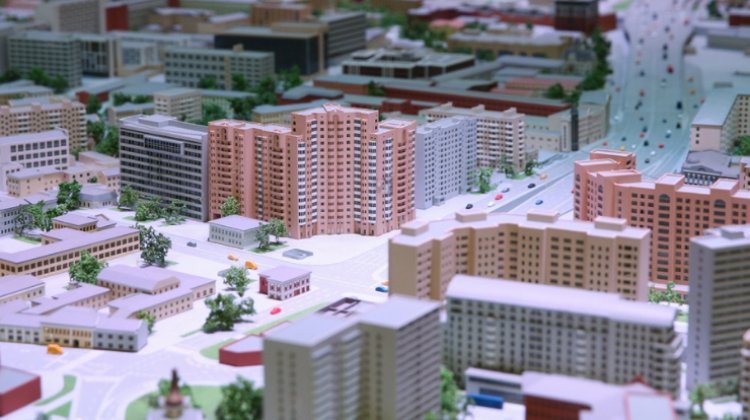
Government infrastructure proposals are often complex. They involve multiple layers like design, engineering, environmental impact, and budget constraints. Traditional 2D drawings or digital renderings can be hard to interpret. This is where physical models shine. They translate complex data into a visual form that anyone can understand.
Model making Dubai helps decision-makers see what a future project might look like in its real-world setting. It bridges the gap between technical design and public understanding. When government agencies receive bids with detailed models, they can better evaluate the practicality of the proposal.
Improving Proposal Clarity
Dubai’s infrastructure bids often involve multiple agencies. Urban planners, environmental consultants, transport authorities, and utility providers all review the same proposal. Model making brings clarity to all these groups.
A scale model gives a unified visual reference. It shows spatial relationships, road access, and environmental integration in a clear and simple way. Everyone looking at the model can interpret the same information without confusion. This avoids miscommunication during the bidding evaluation.
Strengthening Visual Impact During Presentations
The visual impact of a model can often tip the scales in competitive bidding. When multiple firms are pitching for the same government contract, the one that brings a high-quality physical or digital model stands out. A model shows that the team has invested time, thought, and effort into understanding the project.
For example, a model of a proposed metro station in Dubai can include detailed entrances, underground links, and green zones. This creates a strong emotional connection with the people reviewing the bid. They can see the potential of the project, not just read about it.
Aiding Technical Evaluations
Many government infrastructure projects in Dubai involve advanced systems. These can include smart city technology, renewable energy elements, or integrated public transport. A detailed model helps technical reviewers assess how the proposal handles such systems.
The model can show sensor locations, solar panel placement, drainage routes, and more. In some cases, interactive models or 3D printed mock-ups can be used to simulate different stages of construction. This makes the technical review process more efficient and effective.
Supporting Transparent Communication
Dubai’s government promotes transparency in public works. Models help ensure that all stakeholders, including the public and media, can understand what’s proposed. A model can be showcased during community consultations or stakeholder meetings.
This helps gather feedback and refine the project early on. It also shows that the bidding team values openness and public engagement. In Dubai, where citizen satisfaction is a key focus, this kind of visual communication builds trust.
Speeding Up Decision Making
Model making can speed up the evaluation and decision-making process. When Dubai government officials receive a well-crafted model, they can grasp the idea quickly. They don’t have to spend hours reading through technical blueprints or documents.
This visual efficiency means faster approval cycles. For developers, this can be a game-changer in competitive bidding scenarios. A quick yes or no can influence budgets, timelines, and future opportunities in Dubai’s fast-moving market.
Reflecting Innovation and Future Readiness
Dubai is a global hub for innovation. Government projects often seek proposals that are future-ready. A smart, detailed model can reflect a firm’s commitment to innovation. It may include augmented reality, interactive touchpoints, or real-time data simulations.
These added features don’t just look impressive. They offer practical value. For example, an interactive model could simulate traffic flow for a proposed interchange. It proves that the idea works before the project begins.
Aligning with Dubai’s Urban Planning Vision
Dubai follows a strict master planning vision. Any infrastructure bid must align with current zoning laws, development targets, and environmental goals. Model making helps showcase this alignment.
By using accurate scale and terrain features, the model proves how well the proposal fits within Dubai’s broader vision. Whether it’s a green building, a waterfront facility, or a new transit system, the model confirms that the design respects existing guidelines.
Helping in Post-Bid Negotiations
Once a bid is shortlisted, the government may enter discussions with selected firms. A detailed model serves as a reference during these talks. It becomes easier to suggest changes, swap components, or update phases without confusion.
A model also shows flexibility. It communicates that the design is adaptable and not locked in rigid formats. That helps in smoother negotiation and final approval.
Conclusion
Model making plays a key role in Dubai’s government infrastructure bidding process. It makes complex ideas easy to understand. It enhances presentations, speeds up evaluations, and promotes transparency.
Whether it’s a 3D printed prototype or a digital simulation, models are now essential in the infrastructure development landscape of Dubai. As the city pushes forward with its ambitious plans, model making will continue to be a vital part of shaping its future.