The Biggest Mistakes People Make When Choosing Virtual Certifications
Avoid common mistakes when choosing virtual certifications. Learn how to pick the right course that aligns with your career goals and industry demand...
 chistopheradams
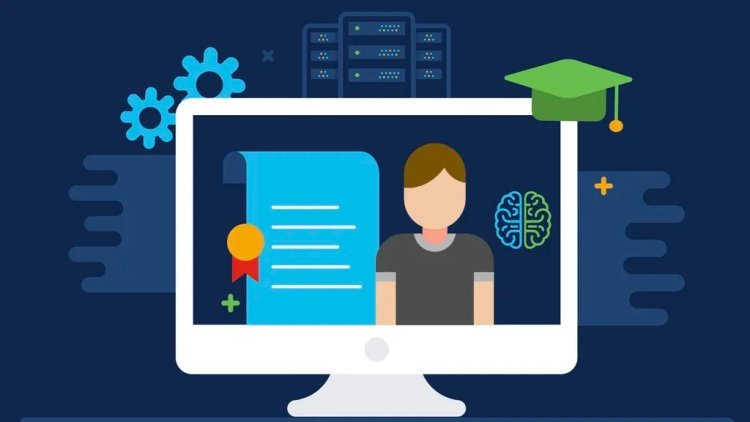
Virtual certifications are a great way to boost your skills, enhance your resume, and open doors to new career opportunities. But with so many options available, it's easy to make mistakes when choosing the right one. To ensure you get the most value out of your certification, avoid these common pitfalls.
1. Not Checking Accreditation
Not all certifications hold the same weight. Some are widely recognized by employers, while others may not be worth much. Before enrolling, check if the certification is from a reputable organization, university, or industry leader.
How to Avoid This Mistake:
-
Look for certifications from recognized platforms like Google, Microsoft, AWS, Coursera, and LinkedIn Learning.
-
Research industry standards to see which certifications are valued in your field.
-
Check for reviews and success stories from past students.
2. Choosing a Certification That Doesn’t Align with Career Goals
Many people jump into a course without thinking about how it fits into their long-term career plans. Just because a certification is trending doesn’t mean it’s right for you.
How to Avoid This Mistake:
-
Identify your career goals and choose certifications that support them.
-
Research job descriptions in your desired field to see what certifications are required.
-
Avoid taking certifications just because they seem easy or inexpensive.
3. Ignoring Hands-On Learning and Practical Experience
Some online courses focus heavily on theory without offering real-world applications. Employers value skills that can be applied in practical scenarios.
How to Avoid This Mistake:
-
Choose certifications that include hands-on projects, case studies, or real-world applications.
-
Look for programs that offer labs, simulations, or portfolio-building exercises.
-
Opt for interactive courses instead of passive video lectures.
4. Not Considering Industry Demand
A certification might be interesting, but if there’s no demand for the skill, it won’t help you get a job or a promotion.
How to Avoid This Mistake:
-
Research job market trends before enrolling in a certification.
-
Check industry reports and salary guides to see which skills are in demand.
-
Network with professionals in your field to understand which certifications they recommend.
5. Overlooking Course Structure and Support
Some online certifications lack proper guidance, making it hard to complete the course or get help when needed.
How to Avoid This Mistake:
-
Look for certifications that provide mentor support, discussion forums, or instructor feedback.
-
Check if the course offers lifetime access to materials so you can revisit lessons later.
-
Read reviews to see if students find the course structure engaging and effective.
6. Falling for “Too Good to Be True” Certifications
If a certification promises instant job placement, guaranteed high salaries, or requires little effort, it’s likely a scam.
How to Avoid This Mistake:
-
Be skeptical of certifications that sound unrealistic.
-
Research the issuing institution and check for independent reviews.
-
Avoid programs that push aggressive sales tactics or ask for upfront payments without clear refund policies.
7. Not Showcasing the Certification Properly
Earning a certification is great, but if you don’t showcase it properly, it won’t help your career.
How to Avoid This Mistake:
-
Add your certification to your LinkedIn profile, resume, and personal website.
-
Mention your certification in job interviews and networking events.
-
Apply the skills you learned in real-world projects to reinforce your expertise.
Final Thoughts
Virtual certifications can be a powerful tool for career growth—if you choose wisely. By avoiding these common mistakes, you’ll ensure that your certification investment pays off in skills, job opportunities, and professional credibility.
Take the time to research, plan, and pick a certification that truly aligns with your goals. Your future self will thank you!