
Barrett's Esophagus Specialists: Expert Care for Early Diagnosis and Effective Treatment
 kevinanderson
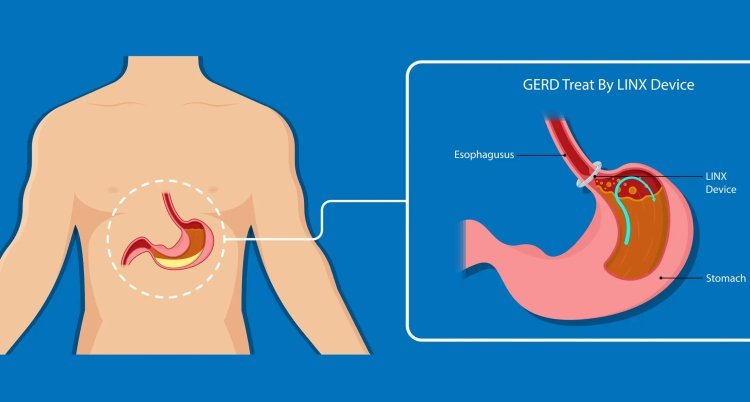
Barrett's esophagus is a condition in which the normal lining of the esophagus changes due to long-term exposure to stomach acid. It is most commonly associated with chronic gastroesophageal reflux disease (GERD) and can increase the risk of developing esophageal cancer if left untreated. While not everyone with Barrett's esophagus develops cancer, regular monitoring and expert medical care are essential for managing the condition. Barrett's esophagus specialists provide comprehensive diagnosis, treatment, and long-term surveillance to help patients maintain their digestive health and reduce potential complications.
What Is Barrett's Esophagus?
The esophagus is the tube that carries food and liquids from the mouth to the stomach. In people with Barrett's esophagus, repeated acid reflux damages the normal cells lining the lower esophagus. Over time, these cells are replaced with tissue similar to the lining of the intestine, a process known as intestinal metaplasia.
This condition itself does not always cause symptoms. Most individuals experience symptoms related to GERD, such as persistent heartburn or acid reflux, rather than symptoms caused directly by Barrett's esophagus.
Common Symptoms
Although Barrett's esophagus may not produce noticeable symptoms on its own, patients often seek medical attention because of chronic acid reflux. Common symptoms include:
- Frequent heartburn
- Acid regurgitation
- Difficulty swallowing
- Chest discomfort
- Chronic sore throat
- Persistent cough
- Hoarseness
- Feeling that food becomes stuck while swallowing
Anyone experiencing persistent reflux symptoms for several weeks or months should consult a healthcare provider for evaluation.
Who Is at Risk?
Several factors increase the likelihood of developing Barrett's esophagus. These include:
- Long-term gastroesophageal reflux disease (GERD)
- Age over 50
- Male gender
- Obesity, particularly abdominal obesity
- Smoking
- Family history of Barrett's esophagus or esophageal cancer
- White ethnicity
Individuals with multiple risk factors may benefit from screening, even if their symptoms are mild.
The Role of Barrett's Esophagus Specialists
Barrett's esophagus specialists are physicians with expertise in digestive diseases, typically gastroenterologists who have advanced training in diagnosing and treating disorders of the esophagus. They use specialized techniques to detect abnormal tissue changes at an early stage and develop personalized treatment plans based on each patient's condition.
Their goals include relieving reflux symptoms, preventing further damage to the esophagus, monitoring for precancerous changes, and reducing the risk of progression to esophageal cancer.
Diagnosis
The primary method for diagnosing Barrett's esophagus is an upper gastrointestinal endoscopy. During this procedure, a flexible tube with a small camera is inserted through the mouth to examine the esophagus, stomach, and upper portion of the small intestine.
If abnormal tissue is identified, the specialist collects small biopsy samples for microscopic examination. These biopsies determine whether Barrett's esophagus is present and whether there are any signs of dysplasia, which refers to precancerous cellular changes.
Additional tests may include esophageal pH monitoring, esophageal manometry, and imaging studies when necessary.
Treatment Options
Treatment depends on the severity of the condition and whether dysplasia is present.
Lifestyle Modifications
Many patients benefit from changes that reduce acid reflux, including:
- Maintaining a healthy body weight
- Avoiding large or late-night meals
- Limiting spicy, fatty, and acidic foods
- Reducing alcohol intake
- Quitting smoking
- Elevating the head of the bed while sleeping
These measures can help improve symptoms and reduce ongoing irritation of the esophagus.
Medications
Acid-suppressing medications, particularly proton pump inhibitors (PPIs), are commonly prescribed to reduce stomach acid production. By controlling acid reflux, these medications promote healing and may decrease further injury to the esophageal lining.
Some patients may also benefit from H2 receptor blockers or other medications based on their specific symptoms and medical history.
Endoscopic Treatments
When precancerous changes are detected, specialists may recommend minimally invasive endoscopic procedures, including:
- Radiofrequency ablation (RFA)
- Endoscopic mucosal resection (EMR)
- Cryotherapy
- Endoscopic submucosal dissection (ESD) in selected cases
These advanced techniques can remove or destroy abnormal tissue while preserving the esophagus and avoiding more extensive surgery in many patients.
Surgical Treatment
In rare cases involving severe disease or early-stage cancer, surgery to remove part or all of the esophagus may be considered. Specialists carefully evaluate each patient before recommending surgical intervention.
Importance of Ongoing Monitoring
Patients diagnosed with Barrett's esophagus require regular follow-up examinations. Surveillance endoscopy allows specialists to detect changes before cancer develops. The frequency of monitoring depends on biopsy results and the presence or absence of dysplasia.
Consistent follow-up significantly improves the chances of identifying abnormalities at an early and more treatable stage.
Choosing the Right Specialist
Selecting an experienced Barrett's esophagus specialist is important for receiving comprehensive care. Patients should consider physicians who have expertise in advanced endoscopic procedures, access to modern diagnostic technology, and experience managing Barrett's esophagus according to current clinical guidelines. A multidisciplinary approach involving gastroenterologists, pathologists, surgeons, and nutrition professionals may provide the best outcomes for complex cases.
Conclusion
Barrett's esophagus is a serious condition that requires expert evaluation and long-term management, but with early diagnosis and appropriate care, many people live healthy lives while minimizing the risk of complications. Barrett's esophagus specialists play a vital role in diagnosing the condition, controlling acid reflux, monitoring for precancerous changes, and providing advanced treatment when necessary. If you have persistent GERD symptoms or risk factors for Barrett's esophagus, seeking timely evaluation from a qualified specialist is an important step toward protecting your digestive health and preventing future complications.