Automotive Cabin Air Quality Sensors: Ensuring Health and Comfort in Modern Vehicles
 sophiagrace33
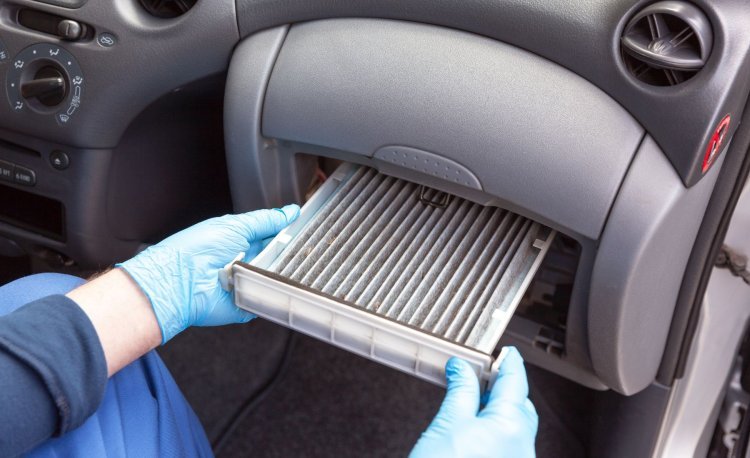
As environmental concerns rise and the focus on health and comfort intensifies, the automotive industry is embracing advanced technologies to enhance the in-cabin experience. One such innovation gaining widespread attention is the automotive cabin air quality sensor. These sensors play a critical role in maintaining clean and safe air inside vehicles, directly impacting passenger well-being and driving performance.
Introduction to Cabin Air Quality Sensors
Cabin air quality sensors are electronic devices integrated into the heating, ventilation, and air conditioning (HVAC) systems of modern vehicles. Their core function is to detect and monitor pollutants within the vehicle’s cabin and sometimes from the external environment. Common pollutants include particulate matter (PM2.5 and PM10), carbon dioxide (CO₂), carbon monoxide (CO), nitrogen dioxide (NO₂), and volatile organic compounds (VOCs).
Once pollutants are detected, the vehicle’s HVAC system responds by adjusting airflow settings, activating filtration systems, or switching between recirculation and fresh air intake to ensure optimal air quality.
Importance and Impact
The significance of these sensors extends far beyond comfort. Poor air quality inside vehicles can lead to:
-
Health Issues: Exposure to fine particles and gases can cause respiratory problems, eye irritation, and aggravation of existing conditions such as asthma.
-
Driver Fatigue: Elevated levels of CO₂ may cause drowsiness, reducing driver alertness and increasing accident risk.
-
Passenger Discomfort: Unpleasant odors or high humidity can negatively affect the in-cabin experience.
By ensuring clean air, these sensors contribute to driver concentration, passenger health, and overall safety.
Working Mechanism
Cabin air quality sensors work through real-time monitoring of air composition. The sensors continuously analyze the levels of various contaminants and send data to the vehicle's control unit. Based on the readings:
-
The HVAC system may switch to recirculation mode to avoid bringing in polluted outside air.
-
Air purifiers or ionizers may be activated to neutralize harmful particles.
-
The system may increase fan speed or filtration efficiency to maintain air quality within safe thresholds.
Advanced sensor systems often integrate with multi-zone climate control systems, enabling different air quality settings for different areas of the cabin.
Market Trends and Growth Drivers
According to market research, the global automotive cabin air quality sensor market was valued at approximately USD 1.06 billion in 2024 and is projected to reach USD 3.48 billion by 2034, growing at a CAGR of 12.7%. This growth is propelled by several key trends:
-
Increased awareness of environmental pollution and health risks
-
Stringent government regulations on vehicle emissions and air quality
-
Rising consumer demand for comfort and wellness features
-
Integration of smart technologies and AI into vehicle systems
-
Expansion of electric and autonomous vehicles, which rely on optimized climate control systems
Luxury automakers such as Mercedes-Benz, Tesla, BMW, and Audi are pioneering these technologies, while many mid-range brands are now beginning to adopt them.
Types of Cabin Air Quality Sensors
Cabin air quality systems may consist of a combination of sensors, including:
-
Gas Sensors: Detect harmful gases like CO, CO₂, and VOCs.
-
Particulate Matter Sensors: Monitor dust, pollen, and smoke particles.
-
Temperature and Humidity Sensors: Help maintain thermal comfort and prevent mold or bacterial growth.
-
Odor Sensors: Used to identify unpleasant smells or chemical fumes.
These sensors are often part of a central environmental monitoring module, which controls air filtration dynamically.
Future Outlook
As vehicle design continues to evolve towards connected and autonomous mobility, cabin environments will become even more crucial to user experience. Cabin air quality sensors are expected to become a standard feature across all vehicle segments, supported by innovations in:
-
AI-based prediction models for pollution detection
-
Automatic over-the-air (OTA) software updates to improve performance
-
Integration with wearable health devices for personalized climate settings