"The Ultimate Guide to Effective Advertising Platforms"
In today’s digital age, businesses must stay ahead of the competition by using the best advertising platforms to reach their target audiences. Whether it’s through search engines, social media, or display ads, the right platform can make a significant difference in maximizing reach, engagement, and conversions. An effective advertising platform helps brands connect with potential customers through a wide array of channels, optimizing campaigns and improving overall performance.
 Referral Program
In today’s digital age, businesses must stay ahead of the competition by using the best advertising platforms to reach their target audiences. Whether it’s through search engines, social media, or display ads, the right platform can make a significant difference in maximizing reach, engagement, and conversions. An effective advertising platform helps brands connect with potential customers through a wide array of channels, optimizing campaigns and improving overall performance.
In this blog, we’ll explore what advertising platforms are, discuss different types of platforms such as Ad Networks and Display Ad Networks, and provide insights on how to maximize the return on investment (ROI) from your online advertising marketing efforts.
What is an Advertising Platform?
An advertising platform is a digital service that enables businesses to place ads on various online channels, including websites, social media platforms, search engines, and mobile apps. These platforms allow advertisers to target specific audiences, track performance, and optimize campaigns in real-time.
Advertising platforms often function as intermediaries, helping advertisers connect with publishers who own ad space on their websites or apps. They simplify the process of buying and selling ads, offering tools for managing campaigns and maximizing their effectiveness.
Key Benefits of Advertising Platforms:
- Targeting: Advanced targeting options help you reach the right audience based on demographics, location, behavior, and interests.
- Cost Efficiency: Many platforms operate on a pay-per-click (PPC) or pay-per-impression (CPM) basis, allowing you to control costs.
- Scalability: You can easily scale campaigns to reach a broader audience or narrow them down to specific niches.
- Real-Time Analytics: Most advertising platforms provide detailed analytics, allowing advertisers to track performance and optimize ads.
Types of Advertising Platforms
Advertising platforms come in various forms, each catering to different advertising needs. Below are some of the most commonly used platforms, including Ad Networks, Display Ad Networks, and other popular online marketing solutions.
1. Search Advertising Platforms
Search advertising platforms allow businesses to display text ads on search engine results pages (SERPs). These ads are typically triggered by specific keywords that users type into search engines like Google or Bing.
Key Benefits:
- High user intent, leading to higher conversion rates
- Pay-per-click model, where advertisers only pay when users click on ads
- Ability to target specific keywords relevant to your products or services
Popular search advertising platforms include Google Ads and Bing Ads, which dominate the search engine marketing landscape.
2. Ad Network
An Ad Network connects advertisers with multiple publishers who have available ad space. Ad networks aggregate the available inventory from different sources and offer it to advertisers based on criteria like audience, location, and interests.
Key Benefits:
- Access to a wide variety of websites and apps through a single platform
- Advanced targeting options for reaching specific demographics
- Cost-effective advertising with scalable campaigns
Popular ad networks include Google Display Network, Yahoo Gemini, and Microsoft Audience Network.
3. Display Ad Network
A Display Ad Network focuses on placing visual ads (banner ads, video ads, and rich media ads) across websites and apps. These networks allow businesses to display their ads on publisher websites that are part of the network, helping to increase brand visibility and awareness.
Key Benefits:
- Great for visual advertising and brand storytelling
- Allows for highly targeted campaigns
- Can increase brand visibility through premium placements
Popular display ad networks include Google Display Network, Taboola, and Outbrain.
4. Social Media Advertising Platforms
Social media platforms have become some of the most powerful advertising tools available today. Platforms like Facebook, Instagram, LinkedIn, and Twitter offer businesses the ability to run highly targeted ads to users based on their social behaviors, interests, and demographics.
Key Benefits:
- Highly targeted audience segmentation
- Engaging ad formats, including video, carousel, and image ads
- Social proof through likes, shares, and comments
Facebook Ads (Meta), Instagram Ads, LinkedIn Ads, and Twitter Ads are popular social media advertising platforms.
5. Video Advertising Platforms
Video advertising platforms enable businesses to promote their products or services through video content. These platforms allow advertisers to run pre-roll, mid-roll, and post-roll video ads on popular video-sharing sites and apps.
Key Benefits:
- Video content is highly engaging and memorable
- Great for storytelling and brand-building campaigns
- Reach large audiences through popular video platforms
Popular video advertising platforms include YouTube Ads, Vimeo, and TikTok Ads.
6. Affiliate Marketing Platforms
Affiliate marketing platforms allow businesses to connect with affiliates who promote their products or services in exchange for commissions. These platforms operate on a performance-based model, meaning businesses only pay when a sale or conversion occurs.
Key Benefits:
- Cost-effective as payment is based on performance
- Access to niche markets through affiliate partnerships
- Scalable campaigns with low initial investment
Popular affiliate marketing platforms include CJ Affiliate, Rakuten, and ShareASale.
How to Maximize Your Reach with Advertising Platforms
Maximizing your reach through advertising platforms requires a strategic approach. Here are some steps to ensure that your campaigns are effective and deliver a high return on investment.
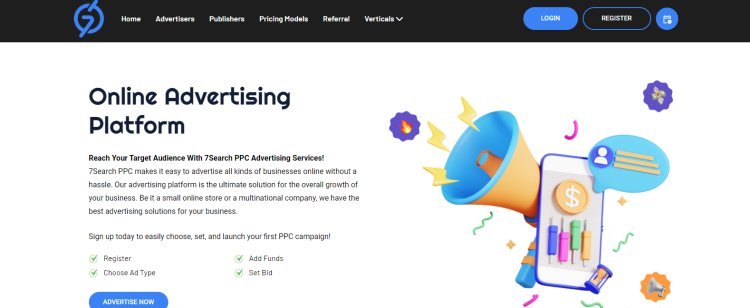
1. Choose the Right Advertising Platform
The first step in maximizing reach is to choose the right platform that aligns with your target audience and campaign objectives. For example, if you want to target users searching for specific keywords, a search advertising platform like Google Ads may be the best fit. If you're aiming for brand awareness through visuals, a display ad network might be more effective.
Factors to Consider When Choosing a Platform:
- Target audience demographics
- Ad formats available (text, display, video)
- Cost per click (CPC) or cost per impression (CPM)
- Campaign objectives (awareness, engagement, conversions)
2. Utilize Advanced Targeting Options
One of the main advantages of using advertising platforms is the ability to target specific audiences based on multiple factors such as age, location, interests, behaviors, and more. Using these advanced targeting options ensures that your ads are seen by users who are most likely to engage with your brand.
Types of Targeting Options:
- Demographic targeting: Age, gender, income, etc.
- Geographic targeting: Location-based ads
- Behavioral targeting: Based on past user actions
- Interest targeting: Based on users’ online behavior and preferences
3. Leverage Retargeting for Higher Conversions
Retargeting is a powerful technique that involves showing ads to users who have previously visited your website or interacted with your brand but didn’t convert. By using retargeting, you can bring back potential customers and encourage them to complete their purchase.
Benefits of Retargeting:
- Increases conversion rates by keeping your brand top of mind
- Targets users who have already shown interest in your product or service
- Can be used across multiple platforms, including display ad networks and social media
4. Optimize Your Ad Creatives
Ad creatives play a significant role in the success of your campaigns. Whether it's text ads, display ads, or video ads, ensure that your ad creative is visually appealing, engaging, and communicates a clear message. A well-designed ad can significantly improve click-through rates (CTR) and conversions.
Tips for Creating Effective Ad Creatives:
- Use high-quality images or videos
- Write clear and compelling headlines
- Include a strong call-to-action (CTA)
- Test different formats to see what works best
5. Monitor and Optimize Campaigns Regularly
To maximize ROI, it’s crucial to monitor your ad campaigns regularly and make adjustments based on performance. Most advertising platforms offer detailed analytics that show how your ads are performing. By analyzing key metrics, you can optimize your campaigns for better results.
Key Metrics to Track:
- Click-through rate (CTR)
- Conversion rate
- Cost per click (CPC) or cost per impression (CPM)
- Return on ad spend (ROAS)
6. A/B Test Your Ads
A/B testing involves running different versions of the same ad to see which one performs better. This allows you to experiment with different ad elements such as headlines, images, CTAs, and landing pages. By continuously testing and refining your ads, you can improve their effectiveness and increase conversions.
What to A/B Test:
- Ad copy and headlines
- Call-to-action buttons
- Ad placement and formats
- Landing page design
Leading Advertising Platforms to Maximize Your Reach
Here are some of the leading advertising platforms that can help you maximize your reach and achieve your online advertising marketing goals.
1. Google Ads
Google Ads is the most popular and versatile advertising platform, offering search, display, video, and app ads. With access to billions of daily search queries and the Google Display Network, businesses can target users based on keywords, demographics, and interests.
Key Features:
- Advanced targeting options
- Integration with Google Analytics
- Programmatic advertising for better efficiency
2. Facebook Ads (Meta)
Facebook Ads offers highly targeted campaigns based on user behavior, demographics, and interests. Through Facebook’s vast audience network, businesses can run image, video, and carousel ads on both Facebook and Instagram.
Key Features:
- Custom and lookalike audiences for precise targeting
- Engaging ad formats, including video and carousel
- Detailed performance metrics and analytics
3. 7Search PPC
7Search PPC is a pay-per-click ad platform that delivers high-quality traffic through both search and display networks. It's known for offering low-cost advertising options, making it ideal for small and medium-sized businesses.
Key Features:
- Cost-effective PPC campaigns
- Targeting options to reach a broad audience
- Real-time analytics and reporting
4. Microsoft Ads
Microsoft Ads is a search advertising platform similar to Google Ads but focuses on users of Bing, Yahoo, and AOL search engines. It provides similar targeting features, making it an excellent alternative for businesses wanting to diversify their search marketing efforts.
Key Features:
- Lower CPC compared to Google Ads
- Access to Bing, Yahoo, and AOL users
- Advanced keyword targeting options
Conclusion
Using the right advertising platform can significantly impact the success of your marketing campaigns. Whether it’s through Ad Networks, Display Ad Networks, or social media advertising, the key is to align your platform with your goals and target audience. By leveraging advanced targeting options, optimizing your creatives, and continually monitoring performance, you can maximize your reach and boost the ROI of your online advertising efforts.
FAQs
1. What is an advertising platform?
An advertising platform is a tool or service that allows businesses to create, manage, and optimize digital advertising campaigns across various online channels such as websites, social media, and mobile apps. Leading platforms include Google Ads, Facebook Ads, and programmatic advertising networks.
2. How do advertising platforms help maximize reach?
Advertising platforms help maximize reach by:
- Allowing access to large audiences across multiple channels and devices
- Offering advanced targeting features to ensure ads are shown to the right people
- Utilizing programmatic bidding to automatically place ads where they are most likely to succeed
- Providing tools to monitor and optimize campaigns in real-time
3. Which advertising platforms are best for maximizing reach?
Some of the leading advertising platforms for maximizing reach include:
- Google Ads: Provides access to both search and display networks.
- Facebook Ads: Great for social media advertising with advanced targeting options.
- YouTube Ads: Perfect for reaching users through video content.
- Microsoft Ads: Targets users of Bing and Yahoo, offering a diversified search audience.
- Programmatic Ad Platforms: Automates the ad buying process to reach a broader range of websites and apps.
4. What is the difference between an advertising platform and an ad network?
An advertising platform provides tools to create, manage, and optimize ads across different channels, while an ad network aggregates ad space from multiple publishers and connects advertisers with those publishers. In short, platforms help with campaign management, and networks help distribute the ads.
5. How can I use targeting features to maximize my advertising reach?
To maximize your reach, use the following targeting features:
- Demographic targeting: Focus on age, gender, and location.
- Behavioral targeting: Reach users based on their online activities.
- Interest targeting: Target people who have shown interest in related topics or industries.
- Retargeting: Engage with users who have previously interacted with your brand.
6. What metrics should I track to evaluate the success of my ad campaigns on leading platforms?
Key metrics to track include:
- Impressions: The number of times your ad is displayed.
- Click-through rate (CTR): How often people click on your ad.
- Conversion rate: How many users take the desired action after clicking.
- Cost per click (CPC): The cost for each click on your ad.
- Return on ad spend (ROAS): The revenue generated from each dollar spent on advertising.