
Essential Safety Practices for Solo Remote Work
Solo remote work poses serious risks, but with proper risk assessments, reliable communication tools, and safety training, businesses can protect workers and prevent accidents.
 muneeb001
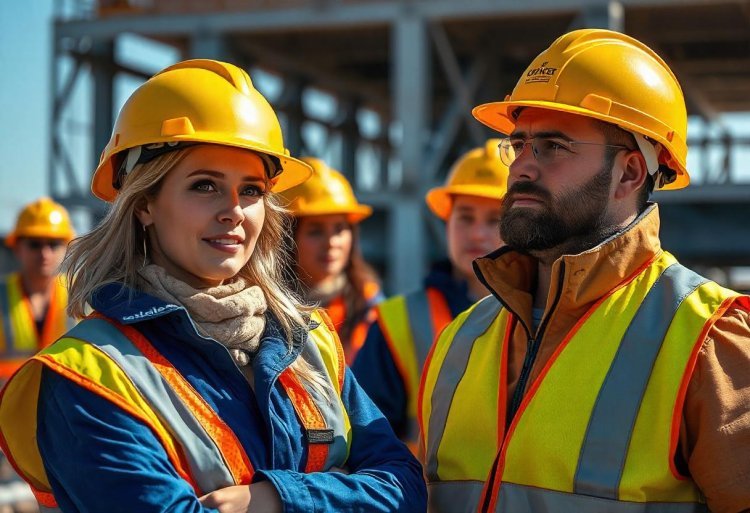
Working alone in remote locations—whether in forests, mountainous regions, deserts, or construction sites—may sound peaceful and adventurous, but it comes with its own set of serious workplace hazards. From unexpected injuries to environmental risks and communication breakdowns, solo workers are more vulnerable than those in team settings.
In this article, we’ll break down the risks of solo remote work, real-life scenarios, and step-by-step safety practices that can help reduce hazards and save lives. If you're a safety manager, a remote worker, or a business owner, this guide will help you prepare better and work safer. For those looking to deepen their understanding of workplace safety, considering a NEBOSH Course is a great step—and being aware of the NEBOSH Course Fee can help you plan your training investment effectively.
Why Solo Remote Work Is a Serious Workplace Hazard
Being physically isolated from others increases the risk of delayed assistance in case of accidents. For example, if a worker trips, breaks an ankle, or encounters wild animals, there may be no one nearby to help or even call for support.
Real-life Example:
Ali, a field surveyor in the northern mountains of Pakistan, slipped on a wet rock and injured his leg. With no cellular signal and no one around, it took over 6 hours for his rescue team to reach him after he missed his scheduled check-in. The delay in treatment led to permanent damage to his knee.
This is why it's crucial to implement essential safety practices before and during any solo assignment in remote locations.
Step-by-Step Guide: How to Stay Safe During Solo Remote Work
Step 1: Conduct a Risk Assessment Before Departure
Always begin with a detailed risk assessment of the location, job tasks, and potential hazards. This includes:
- Environmental risks (wildlife, terrain, extreme weather)
- Physical risks (slips, falls, equipment malfunctions)
- Medical history of the worker
- Communication limitations
Tip: Use standardized checklists or software tools to evaluate risks comprehensively.
Step 2: Equip Workers With Reliable Communication Devices
Standard cell phones aren’t enough for remote areas. Workers should carry:
- Satellite phones for locations with no cellular coverage
- GPS beacons or Personal Locator Beacons (PLBs)
- Two-way radios with long-range capabilities
- Backup battery packs or solar chargers
Having real-time communication is non-negotiable in emergency situations.
Step 3: Create a Clear Check-in System
Every solo worker should have a strict check-in schedule. Whether it's every hour or once in the morning and evening depends on the hazard level of the task and environment.
- Use digital lone worker apps like Safepoint or SoloProtect
- Assign a supervisor to monitor check-ins
- Include a strict emergency protocol if a check-in is missed
Step 4: Provide PPE and Survival Gear
Proper Personal Protective Equipment (PPE) is the first line of defense. Depending on the work and environment, this could include:
- High-visibility clothing
- Steel-toed boots and gloves
- Fire-retardant coveralls
- First aid kits
- Snake bite kits (for forest regions)
- Emergency shelter and food rations
Step 5: Offer Specialized Safety Training
Training workers in first aid, navigation, wildlife encounters, and survival tactics can literally save lives. Solo workers should also be trained in:
- Risk identification
- Equipment maintenance
- Emergency signaling
- Conflict de-escalation (if facing threats from people or animals)
This is where a certified safety training course like a Safety Officer Course in Pakistan becomes a smart investment. These courses teach workers and supervisors how to manage high-risk environments, create emergency action plans, and improve overall safety performance.
The Hidden Dangers You Might Miss
Even if the weather looks fine and the terrain seems manageable, hazards can sneak up on you. Let’s explore a few that are often overlooked:
1. Weather Hazards
Sudden changes in weather—like flash floods, snowfall, or dust storms—can trap a worker for hours or days.
2. Wildlife Encounters
From wild boars in forests to venomous snakes in mountainous areas, animal-related hazards are very real. Training in how to avoid, deter, or escape wild animals is vital.
3. Fatigue and Mental Stress
Being alone for extended periods can lead to mental fatigue, poor decision-making, and slower reflexes.
Real-life example: Zahra, an environmental technician working solo in Balochistan, suffered from dehydration and heat exhaustion after underestimating the stress of a long trek under the sun.
Why Businesses Should Invest in Safety Training
Employers have a legal and moral responsibility to protect their staff. When businesses send workers into remote areas without proper safety systems, they expose themselves to:
- Legal liabilities
- Insurance issues
- Reputation damage
- Loss of valuable manpower
That’s why many companies are now investing in safety training, such as the NEBOSH International General Certificate (IGC) and Safety Officer Courses, which teach:
✅ Emergency response planning
✅ Hazard identification and risk control
✅ Incident investigation
✅ Safe systems of work
A Word on the Safety Officer Course in Pakistan
If you're operating in remote regions like the northern areas, Thar Desert, or Balochistan, a Safety Officer Course in Pakistan provides country-specific safety insights. It aligns with local labor laws and environmental conditions while offering practical safety skills needed for field jobs.
Moreover, the course fees are quite reasonable, making it a valuable investment for companies with tight safety budgets. Many training providers offer flexible schedules, online modules, and on-site group training options.
Read More: Learn about Affordable NEBOSH in Pakistan
Final Thoughts
Solo remote work is not just another job—it’s a high-risk workplace hazard that needs careful planning, training, and equipment. Whether it’s setting up proper check-in systems, equipping workers with the right communication tools, or enrolling them in a certified safety training course, small actions can make a huge difference.
By implementing these essential safety practices, you’re not just protecting your workforce—you’re building a stronger, more responsible business.
How does your organization protect solo workers? Let us know in the comments below or reach out for tailored training options.