
Fitness App Development Process: From Idea to App Store Launch
Explore the complete fitness app development process from idea to App Store launch, including features, steps, market insights, and benefits of fitness app development services.
 Stevejonas
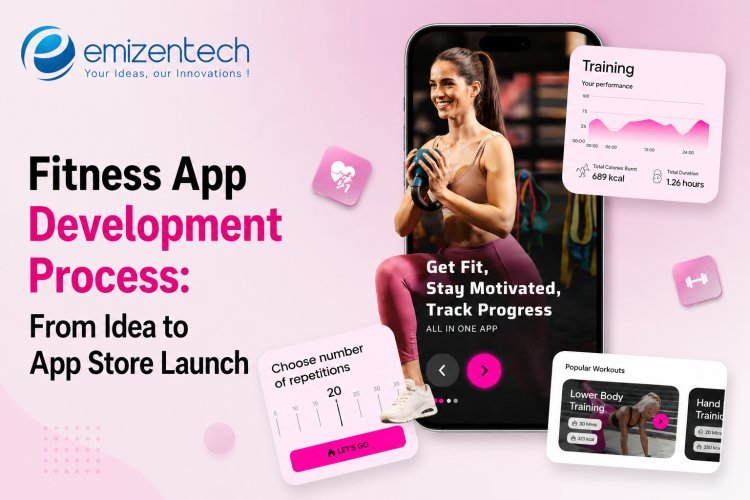
The fitness industry has witnessed remarkable growth over the past few years, fueled by increasing health awareness, wearable technology adoption, and the demand for personalized fitness experiences. From workout tracking and nutrition planning to virtual coaching and AI-powered recommendations, fitness apps have become an integral part of modern lifestyles.
As businesses look to capitalize on this growing market, investing in professional fitness app development services has become a strategic priority. However, building a successful fitness app requires much more than just coding an application. It involves market research, feature planning, UI/UX design, development, testing, and a successful launch strategy.
This guide explains the complete fitness app development process, helping businesses understand how to transform an idea into a successful app available on major app stores.
Fitness App Industry Statistics and Market Opportunities
The global fitness app market continues to expand as consumers increasingly rely on digital platforms for health and wellness management. The popularity of smartphones, smartwatches, and connected fitness devices has created significant opportunities for businesses entering the fitness technology sector.
According to industry reports, millions of users actively use fitness applications for workout tracking, nutrition monitoring, and personalized health coaching. This growth is encouraging startups, fitness brands, and healthcare organizations to invest in fitness app development services that deliver engaging and scalable solutions.
Another major opportunity lies in subscription-based business models. Fitness apps generate revenue through premium memberships, personalized training plans, virtual coaching, and in-app purchases. As user demand for digital fitness experiences continues to rise, businesses that invest in innovative fitness applications can gain a competitive advantage in a rapidly evolving market.
Essential Features for a Successful Fitness App
Creating a successful fitness app requires a combination of functionality, personalization, and user engagement. Users expect more than basic workout tracking; they want an intelligent platform that supports their fitness journey from start to finish.
User Registration and Profile Management
A simple registration process allows users to create personalized profiles by entering fitness goals, age, weight, activity level, and health preferences. This information helps the app deliver customized experiences.
Personalized Workout Plans
One of the most important features offered through modern fitness app development services is personalized workout planning. AI-powered recommendations help users achieve their goals more efficiently by adapting workouts based on performance and progress.
Activity and Progress Tracking
Users should be able to monitor workouts, calories burned, distance covered, and overall performance. Progress tracking encourages consistency and helps users stay motivated.
Wearable Device Integration
Integration with smartwatches and fitness trackers enhances the user experience by providing real-time health data such as heart rate, sleep quality, and daily activity levels.
Nutrition and Meal Planning
Fitness is not only about exercise. Nutrition tracking features help users monitor calorie intake, meal plans, hydration levels, and dietary goals.
Video-Based Training Sessions
High-quality workout videos and live training sessions provide users with professional guidance and improve workout effectiveness.
Push Notifications and Reminders
Smart notifications encourage users to complete workouts, maintain streaks, and stay committed to their fitness goals.
Community and Social Features
Social engagement features such as challenges, leaderboards, and community groups increase user retention and motivation.
Step-by-Step Fitness App Development Process
Developing a fitness app involves several stages, each contributing to the final product's success. Businesses seeking professional fitness app development services should understand these steps to ensure efficient project execution.
Step 1: Define Your App Idea and Goals
Every successful app begins with a clear concept. Before development starts, businesses must identify:
- Target audience
- Core problem to solve
- Unique value proposition
- Revenue model
- Business objectives
For example, an app may focus on home workouts, nutrition coaching, wellness tracking, or Personal Trainer app development. Defining objectives early helps streamline the entire development process.
Step 2: Conduct Market Research
Market research helps validate the idea and identify opportunities for differentiation.
During this stage, developers analyze:
- Competitor fitness apps
- User expectations
- Market trends
- Feature gaps
- Monetization strategies
This research ensures that the app addresses real user needs while remaining competitive in the marketplace.
Step 3: Create a Feature Roadmap
After validating the concept, the next step is creating a detailed feature roadmap.
The roadmap typically categorizes features into:
Core Features
- User registration
- Workout tracking
- Goal setting
- Progress monitoring
Advanced Features
- AI recommendations
- Wearable integration
- Video coaching
- Community engagement
A structured roadmap prevents unnecessary development costs and ensures project alignment.
Step 4: Choose the Right Technology Stack
Selecting the appropriate technologies significantly impacts app performance and scalability.
Common technologies include:
Frontend Development
- Flutter
- React Native
- Swift
- Kotlin
Backend Development
- Node.js
- Python
- Java
Cloud Services
- AWS
- Google Cloud
- Microsoft Azure
Professional fitness app development services help businesses select technologies based on scalability requirements and budget considerations.
Step 5: Design the User Experience (UI/UX)
An intuitive user experience is critical for fitness app success.
The UI/UX design phase focuses on:
- User journey mapping
- Wireframing
- Interactive prototypes
- Visual design
- Accessibility
A well-designed interface ensures users can easily navigate workouts, nutrition plans, and progress reports without confusion.
Step 6: Develop the Minimum Viable Product (MVP)
Rather than building every feature at once, many businesses begin with an MVP.
The MVP includes:
- Essential functionalities
- Basic user flows
- Core workout features
- Initial analytics
Launching an MVP allows businesses to gather user feedback and validate assumptions before investing in advanced features.
Step 7: Backend Development and API Integration
Backend infrastructure serves as the foundation of the application.
This stage includes:
- Database creation
- User authentication
- Cloud storage setup
- API integrations
- Security implementation
Strong backend architecture ensures reliable performance and seamless data synchronization across devices.
Step 8: Integrate Wearables and Third-Party Services
Modern fitness apps often rely on external integrations to enhance functionality.
Popular integrations include:
- Apple Health
- Google Fit
- Fitbit
- Garmin
- Payment gateways
- Video streaming platforms
Experienced providers of fitness app development services ensure these integrations function smoothly and securely.
Step 9: Implement AI and Personalization Features
Artificial intelligence is becoming a major differentiator in fitness applications.
AI capabilities may include:
- Personalized workout recommendations
- Adaptive fitness plans
- Predictive health insights
- Behavioral analysis
- Goal optimization
These features create more engaging and customized user experiences.
Step 10: Quality Assurance and Testing
Before launch, the app must undergo extensive testing to identify and resolve issues.
Testing typically includes:
Functional Testing
Verifies all features work correctly.
Performance Testing
Ensures the app handles high user loads.
Security Testing
Protects user data and personal information.
Compatibility Testing
Confirms proper operation across devices and operating systems.
Professional fitness app development services prioritize testing to deliver a stable and reliable product.
Step 11: Prepare for App Store Submission
Once development and testing are complete, the app must be optimized for launch.
This includes:
- App Store Optimization (ASO)
- App descriptions
- Screenshots
- Promotional videos
- Privacy policies
- Compliance verification
A well-prepared launch strategy increases visibility and download potential.
Step 12: Launch the App
After approval from app stores, the application becomes available to users.
The launch phase often includes:
- Marketing campaigns
- Influencer partnerships
- Social media promotions
- Email marketing
- User onboarding programs
Businesses utilizing expert fitness app development services often coordinate launch strategies alongside development efforts to maximize adoption.
Step 13: Monitor Performance and Gather Feedback
The launch is only the beginning of the product lifecycle.
Key metrics to monitor include:
- User acquisition
- Retention rates
- Session duration
- Conversion rates
- Revenue performance
User feedback provides valuable insights for future updates and feature enhancements.
Step 14: Continuous Maintenance and Updates
Fitness applications require ongoing improvements to remain competitive.
Regular updates may include:
- New workout programs
- Security enhancements
- Bug fixes
- Performance optimization
- Feature expansions
Organizations that invest in long-term fitness app development services can continuously improve user satisfaction and business growth.
Conclusion
The journey from a fitness app idea to a successful app store launch involves careful planning, strategic execution, and continuous improvement. Businesses must focus on understanding user needs, designing engaging experiences, selecting the right technologies, and implementing scalable solutions that support long-term growth.
From market research and feature planning to testing and post-launch support, every stage plays a critical role in the app's success. Companies that leverage professional fitness app development services can accelerate development, reduce risks, and deliver exceptional user experiences in a competitive marketplace.
As the fitness industry continues embracing digital transformation, businesses that invest in innovative fitness solutions will be better positioned for future growth. Industry leaders like EmizenTech are helping organizations build powerful fitness applications that meet evolving user expectations and market demands.
FAQs
What is the fitness app development process?
The fitness app development process includes idea validation, market research, feature planning, UI/UX design, development, testing, app store deployment, and ongoing maintenance.
How long does it take to develop a fitness app?
Development timelines vary depending on complexity. A basic fitness app may take 3–6 months, while advanced applications with AI and wearable integrations can require 6–12 months or more.
What are the most important features in a fitness app?
Key features include workout tracking, personalized plans, wearable integration, nutrition management, progress monitoring, social engagement, and AI-powered recommendations.
How much does it cost to build a fitness app?
The cost depends on factors such as app complexity, features, development team location, and technology requirements. Advanced apps generally require a larger investment than basic solutions.
Why should businesses invest in fitness app development services?
Professional fitness app development services help businesses create scalable, secure, and user-friendly applications that improve customer engagement, generate revenue, and strengthen their position in the growing digital fitness market.